Storm Damage in Station Hill, IN
Station Hill Water Restoration dries storm soaked ceilings and walls in Station Hill and keeps the readings in a file you own.
When Station Hill homeowners need Storm Damage, Station Hill Water Restoration responds 24/7 with certified technicians, fast equipment deployment, and claim ready documentation. Call (765) 676-3491 for immediate dispatch.
- Service: Storm Damage for Station Hill homeowners
- Service area: Station Hill, IN and surrounding areas
- Response time: Emergency calls from Station Hill dispatched immediately, day or night
- Licensed and insured (License #RC21100059)
- Serving Station Hill, IN since 2018
Storm Damage Cleanup in Station Hill
We handle storm damage cleanup across Station Hill, from tarping the opening to drying the house underneath it, and we're out day or night.
Storms Here
White Lick Creek has a history of flooding. Storms here can also bring large hail. If your insurance company asks for a storm date, NWS Indianapolis keeps a list of past events.
Where Storm Water Ends Up
Homes near White Lick Creek can see rising water after heavy rain. With finished basements common here, a big storm can bring water in from below as well as through the roof. That makes it a basement flooding job too.
After a storm we can be anywhere in Station Hill, from Timber Bend to the roads around Rockville Road and Ronald Reagan Parkway. We also handle storm damage in Woodcreek Crossing.
Expert Storm Damage for Station Hill Homeowners
Surface water that rises fast finds the lowest opening in your house, which is usually a basement window well, a sill plate, or the slab edge of an attached garage. It carries soil and whatever was sitting on the ground with it, so it calls for a stricter cleanup than a clean supply line break would. Station Hill Water Restoration dispatches to storm flooding calls in Station Hill within 2 hours with extraction pumps and the containment that contaminated water requires.
Storm water usually comes in overhead, so the attic and the ceiling get the closest look. Station Hill Water Restoration technicians read the insulation, the underside of the roof deck and the top plates where water sits, then trace it down to the rooms below. Every wet spot in your Station Hill home gets marked, photographed and logged before anything comes out.
Coordination is part of the work on storm losses. Station Hill Water Restoration keeps the temporary cover in place and inspected while the roofing repair gets scheduled, and the drying plan accounts for whatever weather falls in between. If a rain event gets past the tarp, the crew documents it, rereads the affected materials, and adjusts the equipment, so the log records what happened to the house while it was happening.
Before wet carpet or insulation goes in a dumpster, ask your adjuster whether they want to see it. The crew photographs the material in place and records its type and amount, and a small sample can be set aside if the adjuster asks. Station Hill Water Restoration lays out the removal list for your Station Hill home so that conversation has facts behind it.
Calls from Station Hill come in at every hour during storm season, and Station Hill Water Restoration answers them day and night. Tell us where you see water and whether the power is on, and we'll talk you through what to do before the crew starts.
Signs You Need Storm Damage Restoration
If you notice any of these in your Station Hill home, schedule a free inspection before the issue worsens.
Damp, earthy air when you open the attic hatch or pull the attic ladder down
Flooring cupping, lifting, or separating at the seams along an exterior wall
A sump pump that cycles every few minutes or runs continuously during a storm
Ceiling stains in a hallway or closet far from any bathroom
Attic insulation that looks matted, flattened or darker in patches
Window sill corners holding water or finish peeling after a windy storm
White chalky residue on a basement foundation wall where water has been moving through it
Dark staining or rusted nail points on the underside of attic sheathing and rafters
Standing water in the track of a sliding patio door after a storm
Daylight visible through the roof sheathing when you look up from inside the attic
How Station Hill Water Restoration Handles Storm Damage
We follow these steps in order on every Station Hill job.
Moisture Mapping
Thermal imaging and penetrating meters cover every room under and beside the intrusion, plus baseline readings in unaffected areas of the same house. The map shows how far water tracked through framing and insulation, and it's what decides which surfaces get opened.
Cleaning Surfaces That Stay
Framing and hard surfaces that stay get cleaned and treated with an antimicrobial once the soaked material is out. Cleaning comes before the drying equipment goes in, so the air movers aren't pushing soil around the room.
Photo Report
Entry point photos, the water path, the daily readings and the itemized scope go into a photo report you keep. The crew walks you through it, and you sign off on the scope in writing before there's any demolition.
Clearance Verification
Final moisture readings are taken on every affected material at the same marked locations and compared against the unaffected baseline recorded at the start. Equipment comes out once that comparison's documented, containment follows, and the verification sheet goes into your file.
Reconstruction and Finish Work
Insulation goes back to the recorded depth, ceiling board gets hung, taped and finished, texture is matched to the existing surface, then paint, trim, flooring and anything else that came out. The rebuild follows the measurements taken during the drying.
Storm Damage in Station Hill
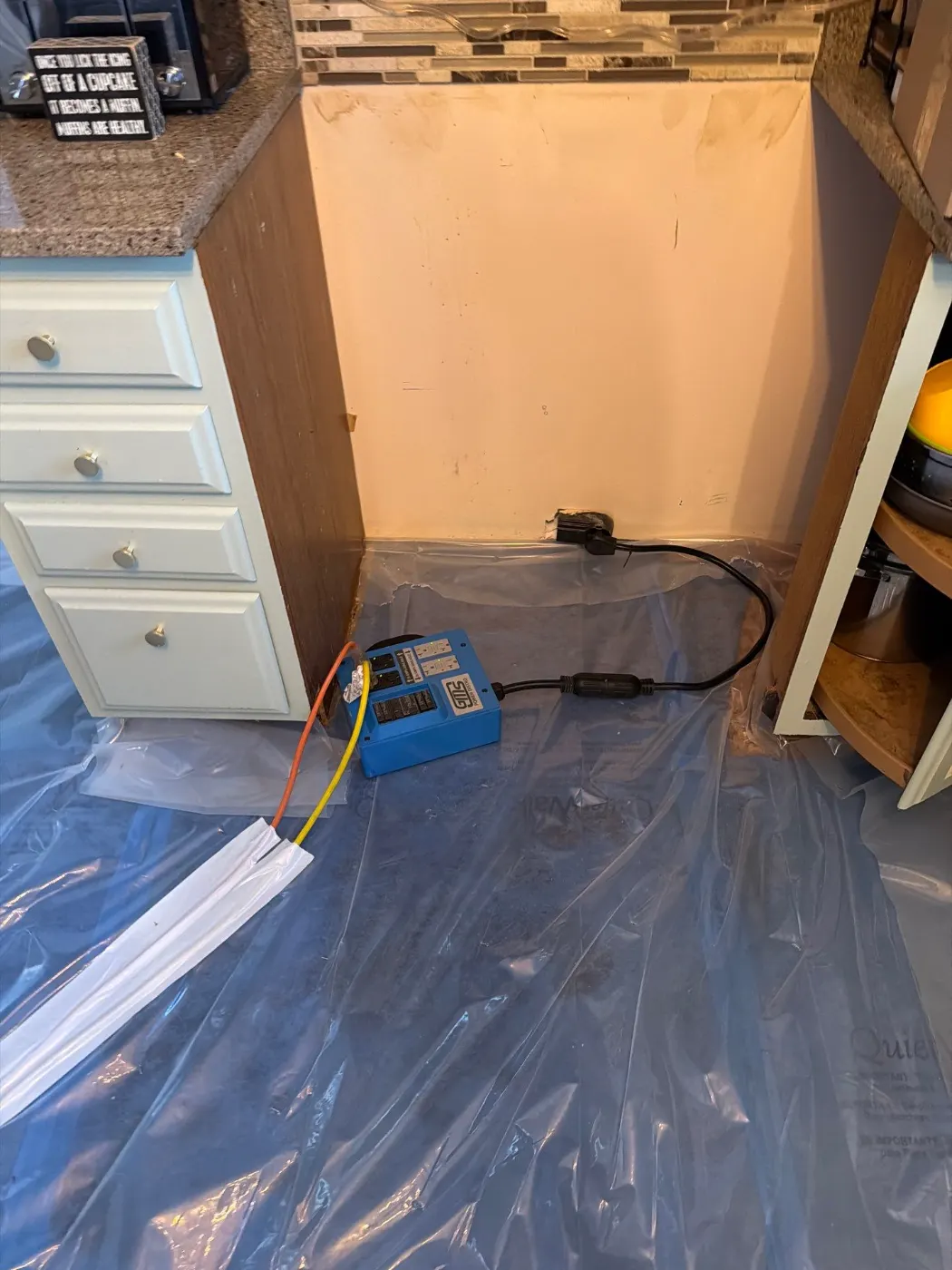
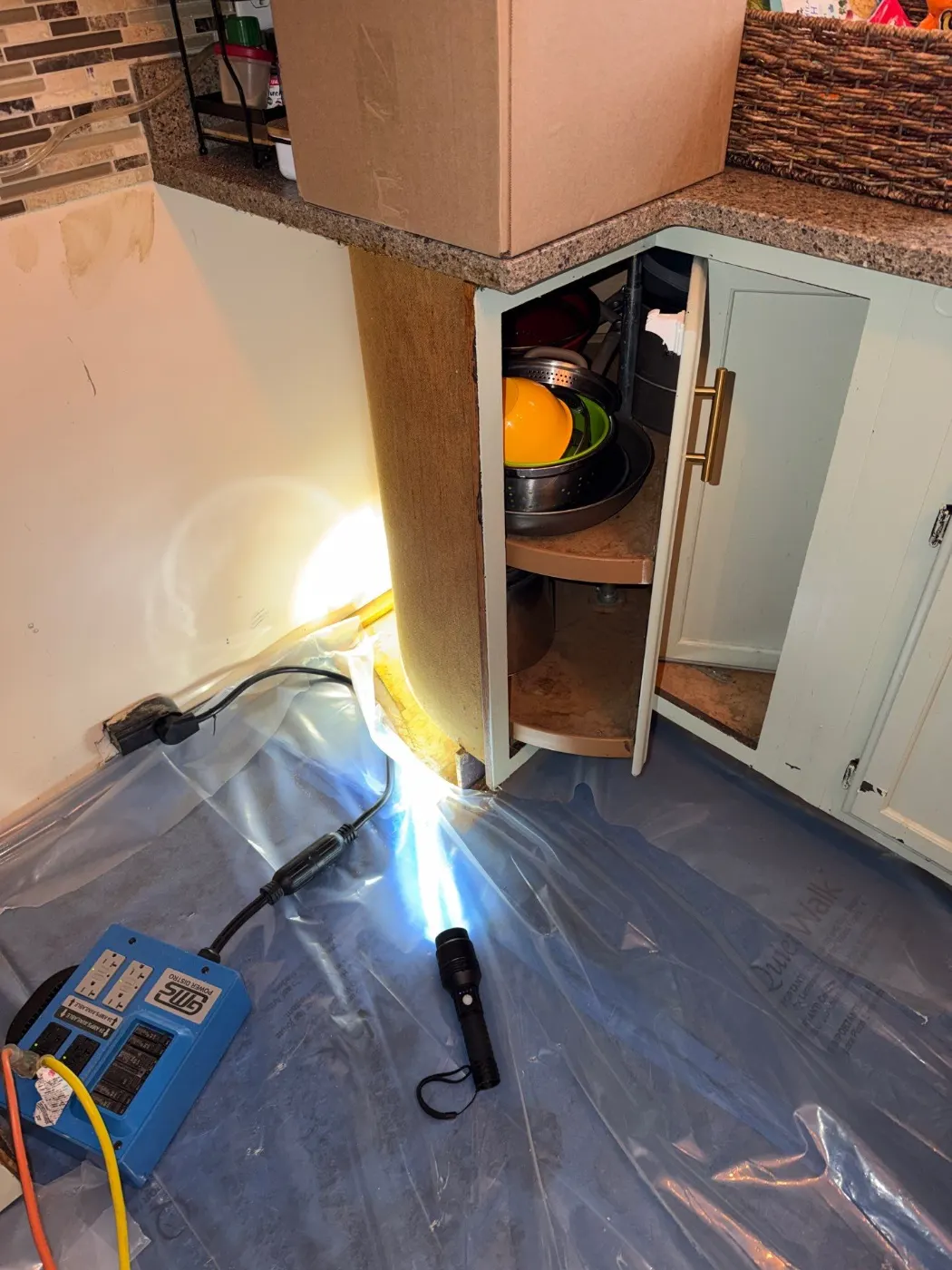
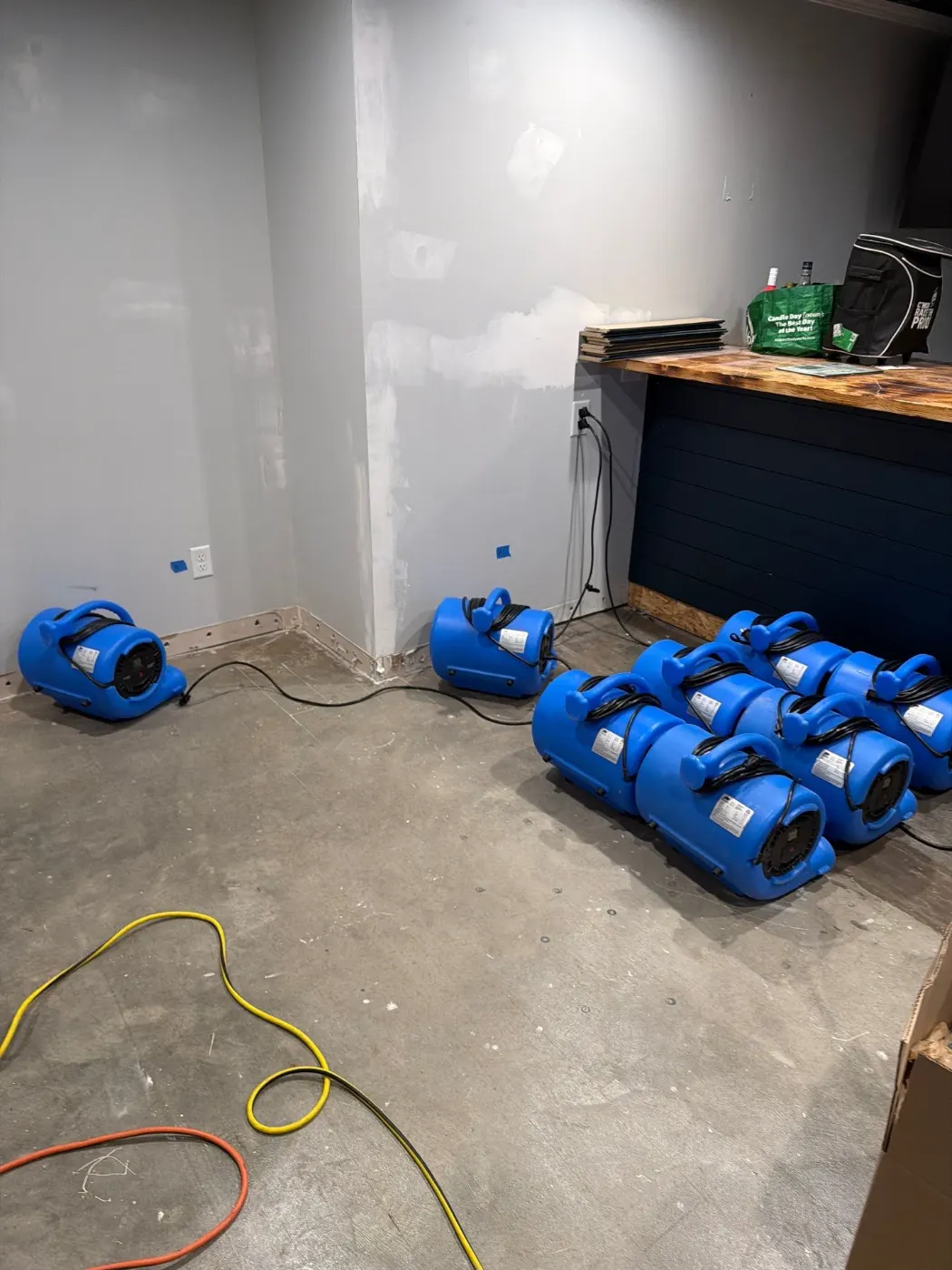
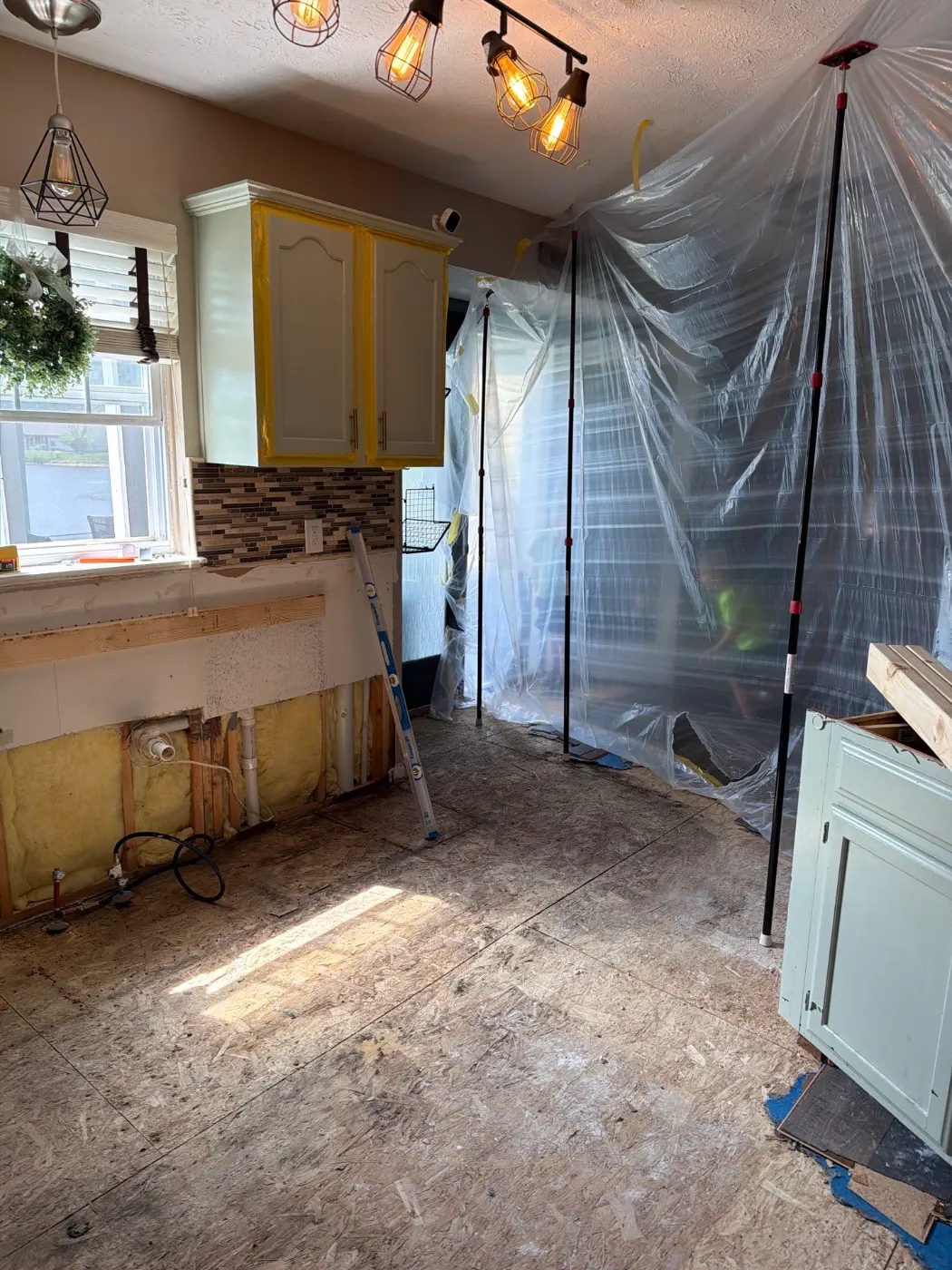
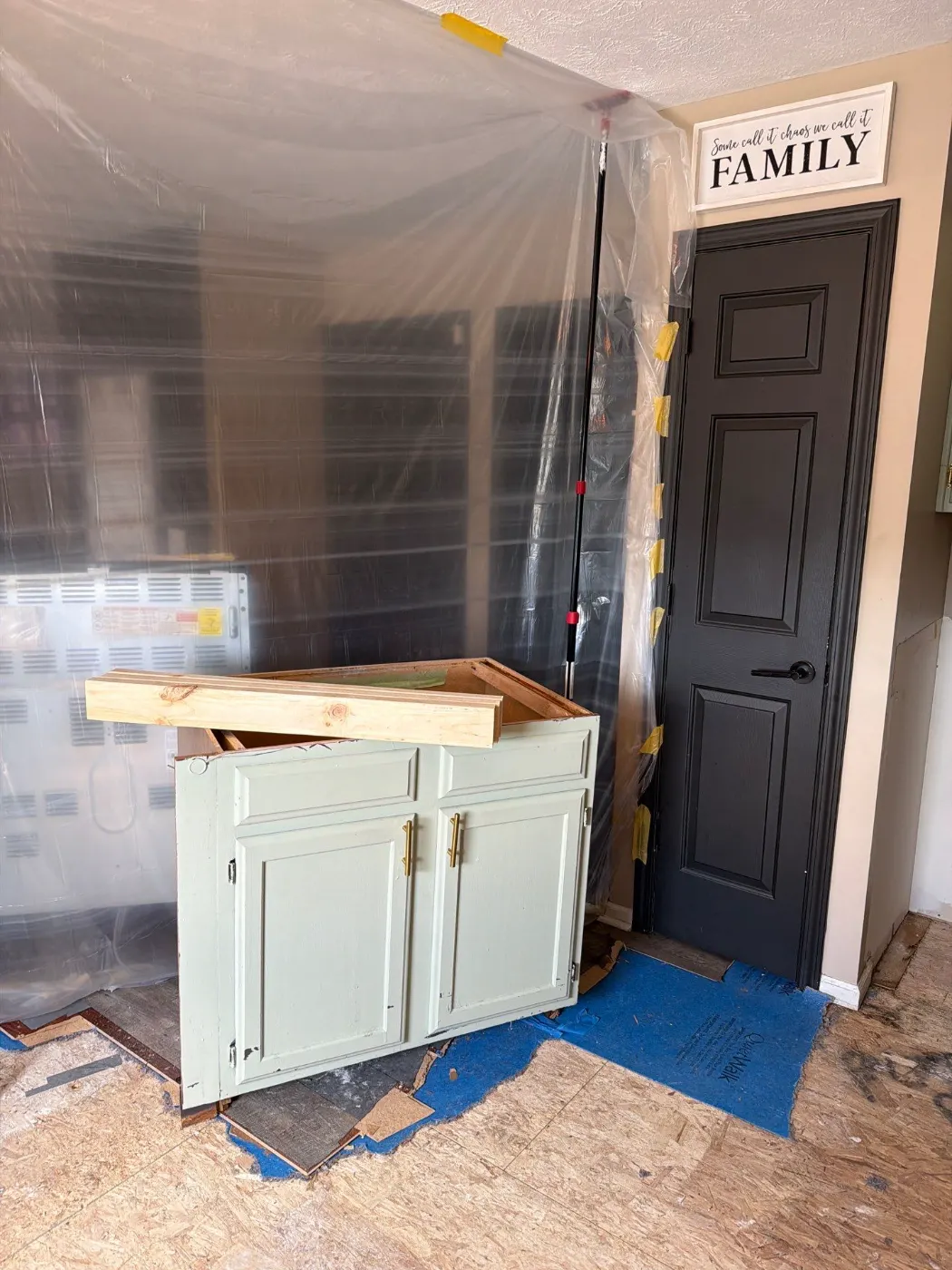
Photographs from real storm damage jobs completed by our crew in Station Hill and surrounding areas.
Storm Damage FAQ
Questions Station Hill homeowners ask us about storm damage restoration.
Guidance and Standards for Storm Damage
- The National Weather Service office in Indianapolis posts summaries of recent central Indiana storm and flood events. NWS Indianapolis Event Summaries
- The Indiana Department of Insurance advises against permanent repairs before your insurance company inspects the damage. Check your own policy for what it covers. Indiana Department of Insurance: Insurance Claim Tips
Station Hill Neighborhoods We Serve
We take storm damage calls in every part of Station Hill. Pick your neighborhood for local details.
Other Restoration Services in Station Hill
Station Hill Water Restoration handles the full scope of restoration work. Explore our other services below.
Water Damage Restoration in Station Hill
24/7 emergency response. IICRC certified water restoration from extraction to full dry out.
Learn more →Basement Flooding in Station Hill
Basement water emergencies handled fast. Extraction, drying, mold prevention.
Learn more →Sewage Cleanup in Station Hill
Category 3 biohazard cleanup. Full containment, decontamination, structural restoration.
Learn more →Request Storm Damage Restoration
Reach Us Directly
Our team is available 24/7 for emergencies and ready to schedule inspections during business hours.
Need Immediate Help?
For active water or mold emergencies, call us directly. We are available 24/7.