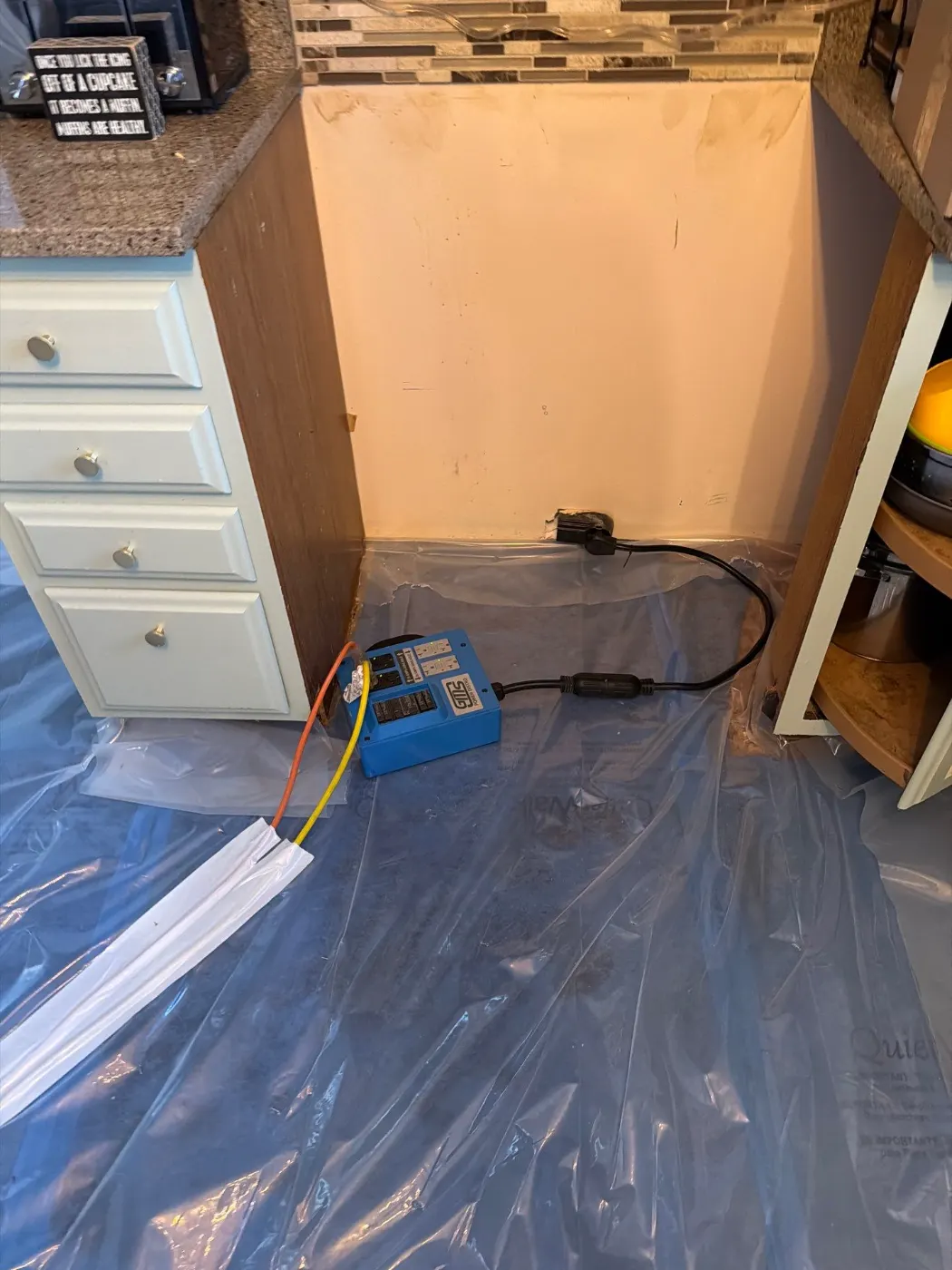
Basement Flooding in Station Hill, IN
Basement water pumped out and the structure dried to a measured number before the finished space goes back.
When Station Hill homeowners need Basement Flooding, Station Hill Water Restoration responds 24/7 with certified technicians, fast equipment deployment, and claim ready documentation. Call (765) 676-3491 for immediate dispatch.
- Service: Basement Flooding for Station Hill homeowners
- Service area: Station Hill, IN and surrounding areas
- Response time: Fast local response for Station Hill; live dispatch every hour of the year
- Licensed and insured (License #RC21100059)
- Serving Station Hill, IN since 2018
Basement Flooding Cleanup in Station Hill
We'll pump out and dry a flooded basement anywhere in Station Hill, day or night.
Basements Here
Most Station Hill homes went up between the 1990s and the 2010s, and finished basements are common.
Where the Water Comes From
Homes near White Lick Creek face added flood risk after heavy rain. Many basements here depend on a sump pump to stay dry, so a pump that quits during a storm can flood the space fast.
Our crews work all over Station Hill, from Thornridge to the streets near Avon High School and Rockville Road. Nearby, we also pump out basements in Woodcreek Crossing.
Expert Basement Flooding for Station Hill Homeowners
A sump pump can run all night and still lose if the discharge line froze or clogged and the pumped water has nowhere to go. It backs up in the line or drains beside the foundation and soaks toward your Station Hill basement again. Station Hill Water Restoration removes the water already inside and documents the line's condition for the plumber who repairs it.
When a sump pump stops, the first question is whether it had power. The crew looks at the breaker and the outlet where the pump plugs in, then notes any battery backup. That note goes in your Station Hill file and can be handed to the electrician or plumber who handles the repair.
Station Hill Water Restoration handles the contents early, because most of what's stored in a basement sits directly on the floor. Boxes get opened or discarded depending on what the water reached, furniture gets blocked up off the slab or carried out, and anything leaving the house gets photographed and listed first. Soft goods that held contaminated water come out and don't go back.
The documentation Station Hill Water Restoration builds starts before the water is off the floor. Photos of the standing water and the entry point, the reasoning behind the water's classification, moisture readings by location and material, the scope line by line, and the equipment list all go into one file. You keep that file and decide with your insurance company how to use it, and the crew walks you through any part of it.
Even with the storm still going, call Station Hill Water Restoration and describe what you're seeing in your Station Hill basement. The crew can talk through what to move and what to photograph while the rain continues, and the extraction plan gets built around when the inflow slows.
Signs You Need Basement Flooding Cleanup
If you notice any of these in your Station Hill home, schedule a free inspection before the issue worsens.
Carpet that squishes underfoot along the perimeter while the middle of the room still feels dry
A sump pump that cycles every minute or two, which usually points at a failed check valve
The dehumidifier bucket filling far faster than it used to
Water standing in the window well, up above the bottom of the window frame
Wall panels or foam board in your Station Hill basement bulging outward, with water trapped behind them
Hardwood on the floor above the basement cupping or crowning along the board edges
Water on the Station Hill basement floor in early spring while the snow melts, even with no rain
Water pooled around the washer in your Station Hill basement after a hose split or a standpipe overflow
A wet base around the furnace or water heater, or a damp burner compartment
Puddles that show up in your Station Hill basement after heavy rain and dry out before anyone sees them
How Station Hill Water Restoration Handles Basement Flooding
We follow these steps in order on every Station Hill job.
First Call and Triage
You describe where the water is and how deep it looks. The crew asks whether the power is on at your Station Hill home, then tells you what's safe to do while you wait, like shutting off a water supply.
Stopping the Inflow
Before your Station Hill basement can dry, the water has to stop coming in. The crew shuts off a failed supply line or sets a temporary pump where groundwater is still rising, then photographs the entry point for the trade that makes the repair.
Silt and Debris Cleanup
Water from outside leaves silt on the slab and along the base of the walls. The crew shovels and vacuums the sediment, then cleans the surfaces that stay, because mud holds moisture against the floor and sours quickly in a closed space.
Daily Monitoring
A technician returns every 24 hours while drying runs, takes readings at the same marked spots, compares room humidity against the day before, and moves equipment as the wet area shrinks. Any change to the scope arrives with photos and a conversation.
Clearance Verification
Final readings get taken on every material that was wet and compared against the same material elsewhere in the house that the water never reached. Equipment comes out after those numbers are documented, and the containment comes down after the equipment does.
Basement Flooding in Station Hill
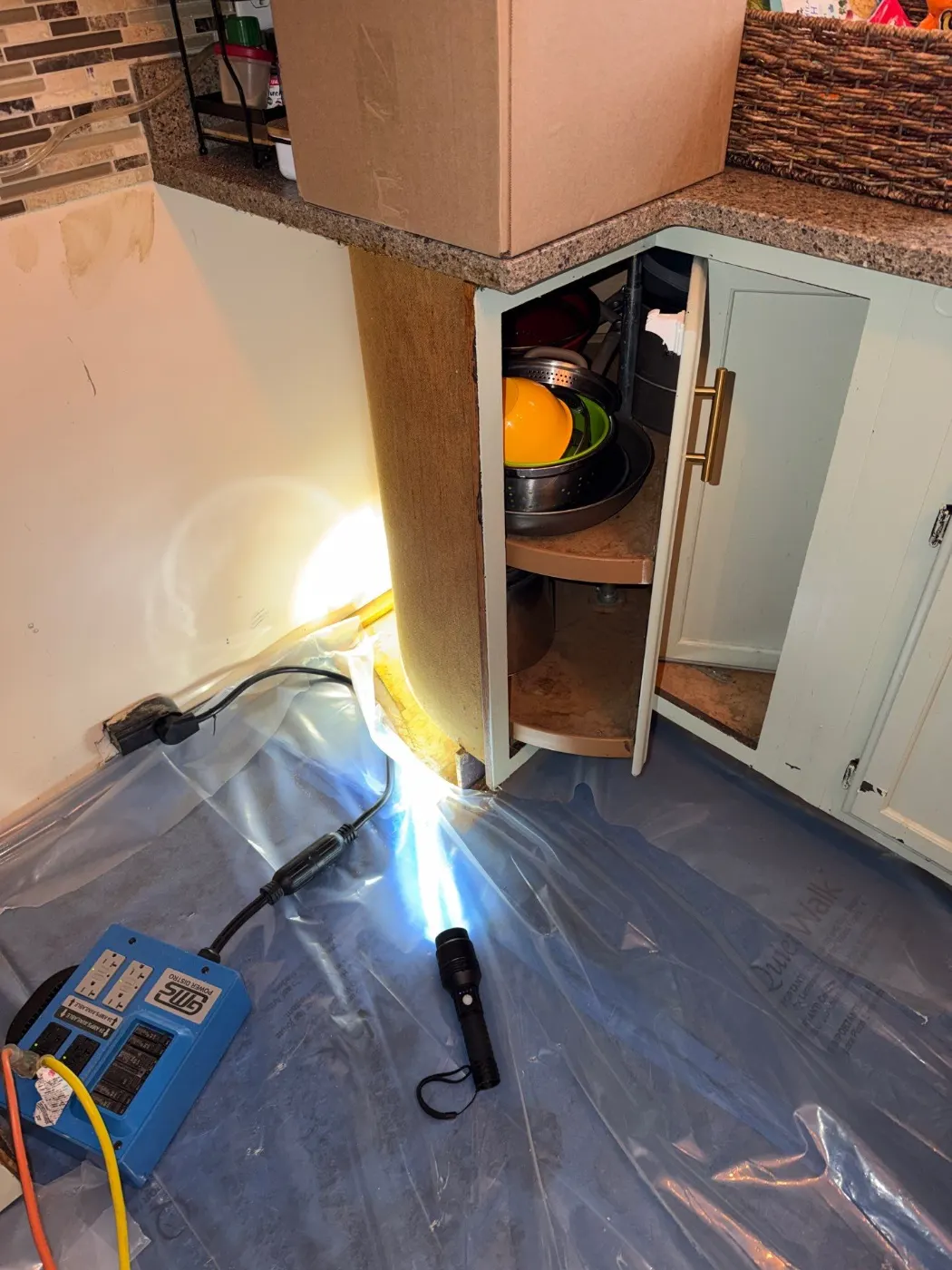
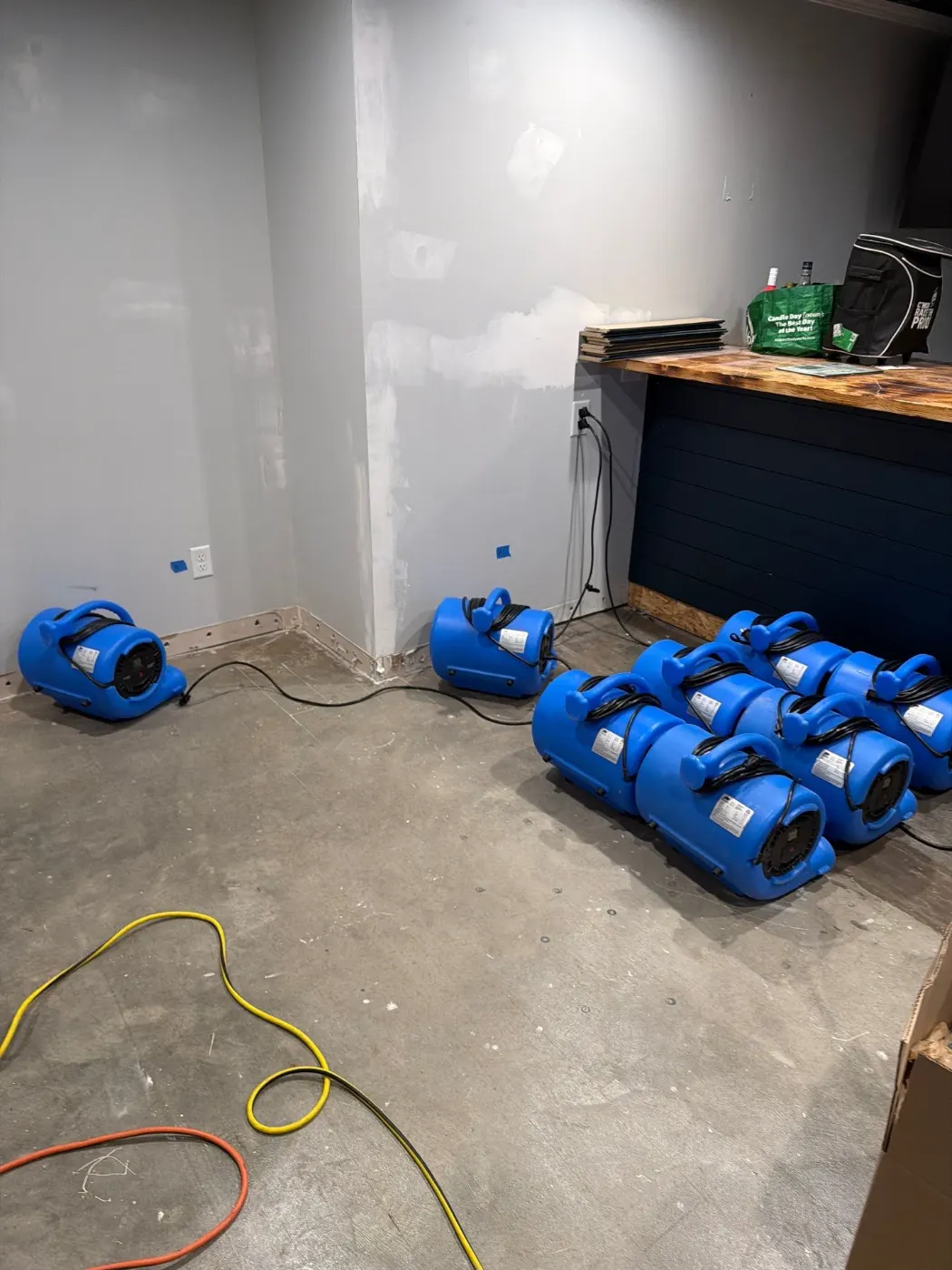
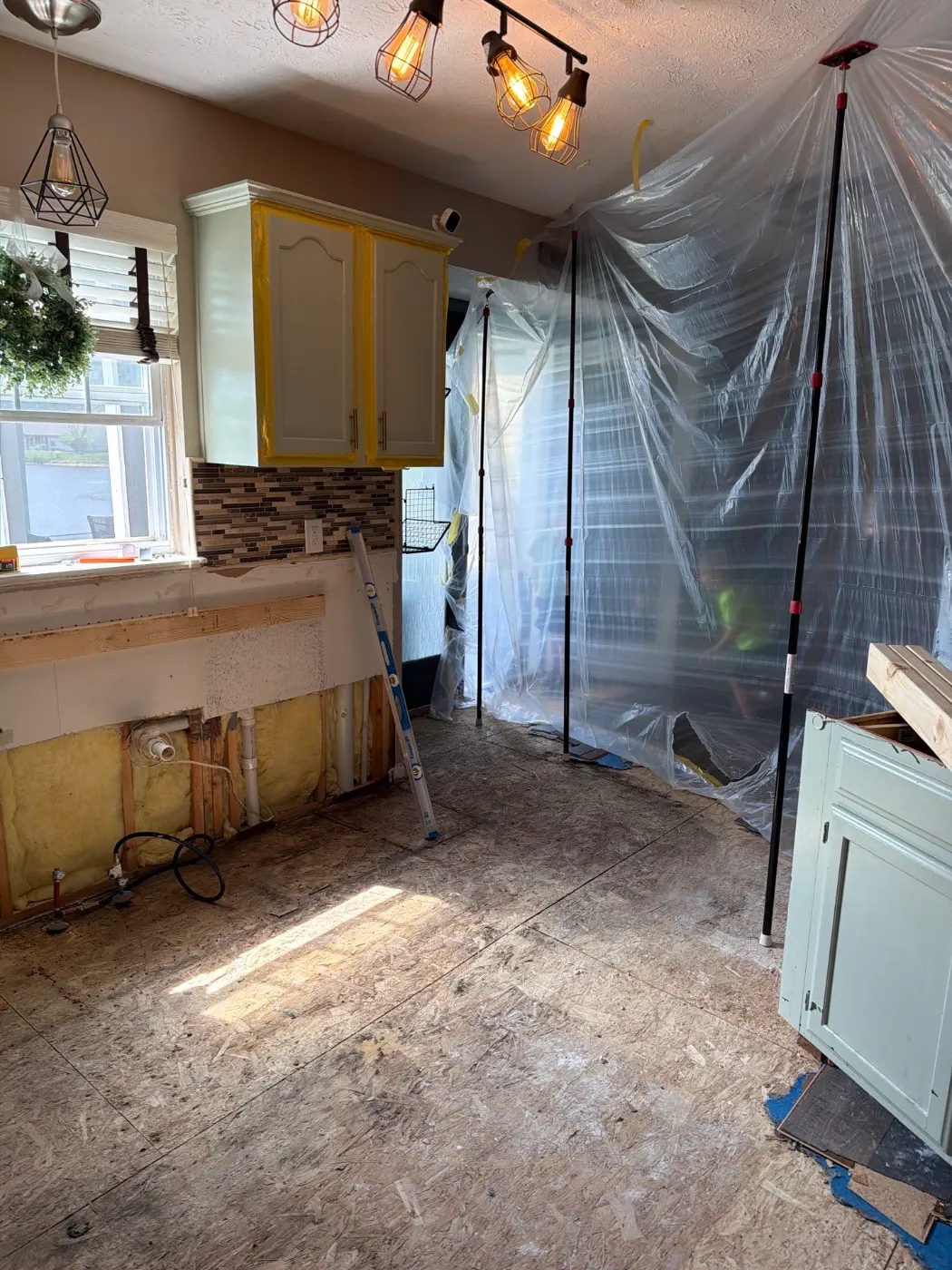
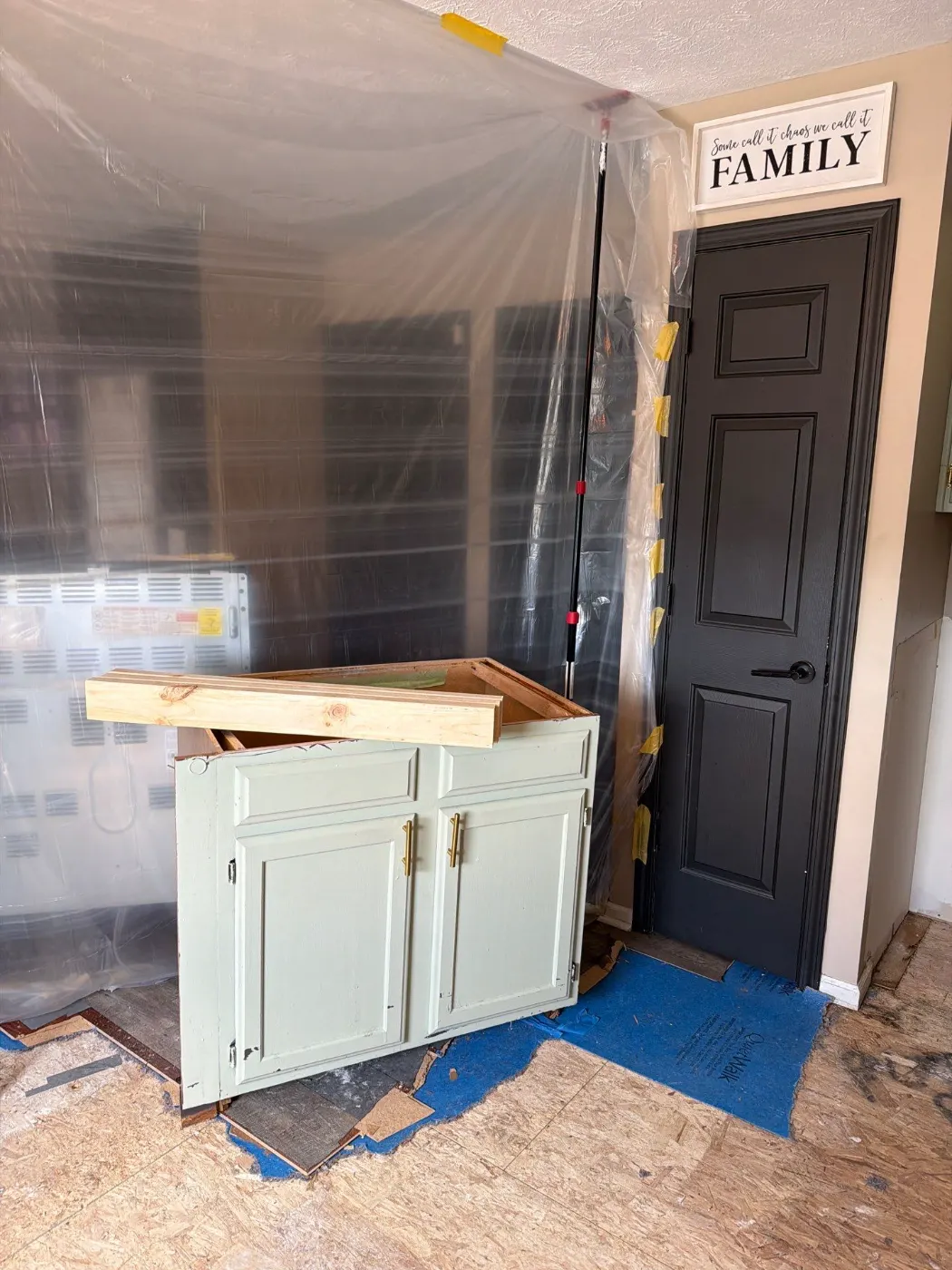
Photographs from real basement flooding jobs completed by our crew in Station Hill and surrounding areas.
Basement Flooding FAQ
Questions Station Hill homeowners ask us about basement flooding cleanup.
Guidance and Standards for Basement Flooding
- EPA advises drying water damaged areas and items within 24 to 48 hours to prevent mold growth. EPA: A Brief Guide to Mold, Moisture and Your Home
- Ready.gov notes that homeowners insurance policies don’t cover flooding, so check what your own policy says. Ready.gov: Floods
Station Hill Neighborhoods We Serve
We take basement flooding calls in every part of Station Hill. Pick your neighborhood for local details.
Other Restoration Services in Station Hill
Station Hill Water Restoration handles the full scope of restoration work. Explore our other services below.
Water Damage Restoration in Station Hill
24/7 emergency response. IICRC certified water restoration from extraction to full dry out.
Learn more →Sewage Cleanup in Station Hill
Category 3 biohazard cleanup. Full containment, decontamination, structural restoration.
Learn more →Storm Damage in Station Hill
Storm related water emergencies. Tarping, extraction, drying, and full restoration.
Learn more →Request Basement Flooding Cleanup
Reach Us Directly
Our team is available 24/7 for emergencies and ready to schedule inspections during business hours.
Need Immediate Help?
For active water or mold emergencies, call us directly. We are available 24/7.