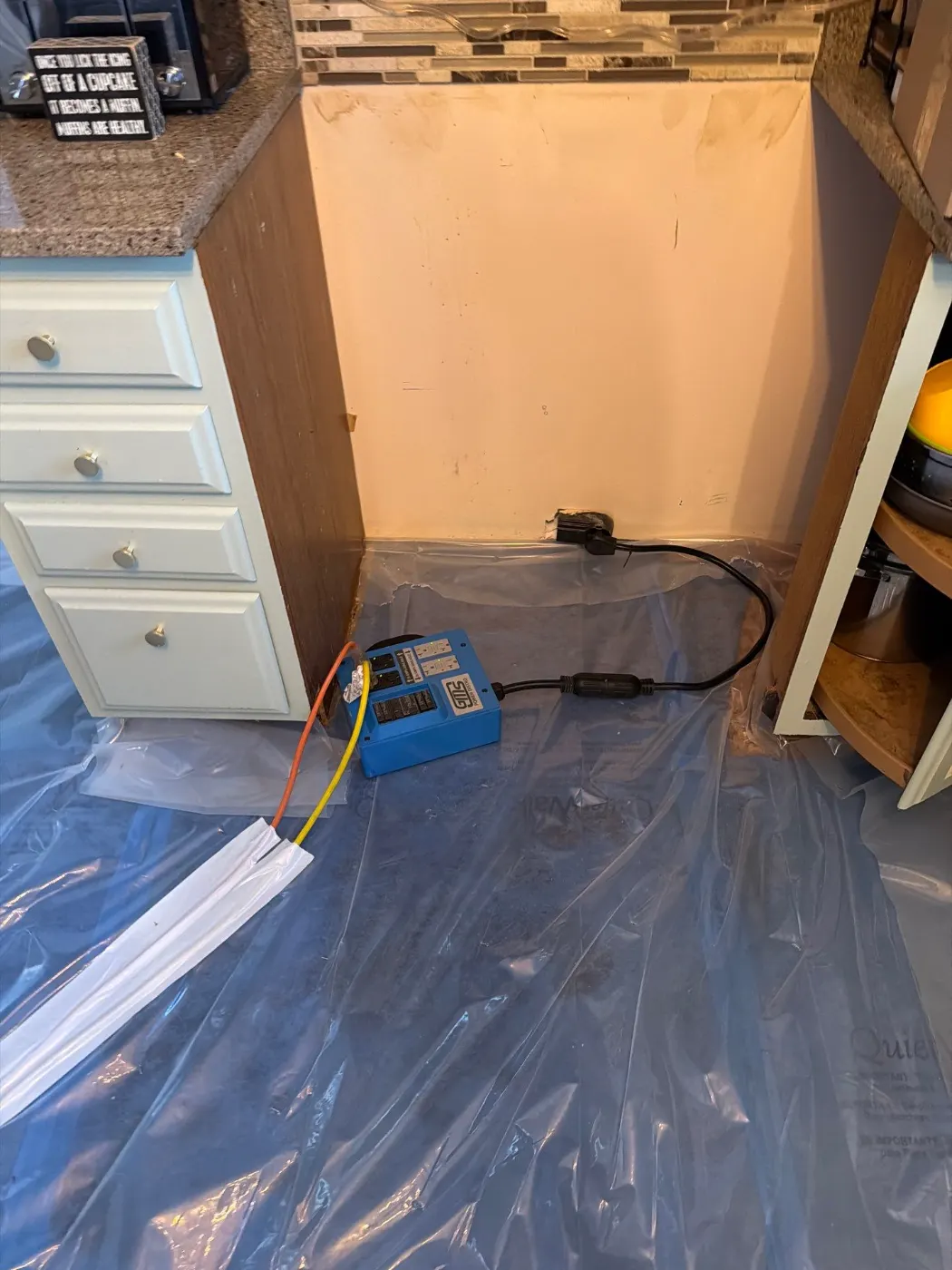
Commercial Storm Damage in Station Hill, IN
Occupied buildings dried without closing the floor. Station Hill Water Restoration answers commercial storm intrusion in Station Hill day or night.
For Commercial Storm Damage in Station Hill, Station Hill Water Restoration brings the equipment, the certifications, and the paperwork: 24/7 response, written scopes, and insurance claim support. Call (765) 676-3491 for dispatch.
- Service: Commercial Storm Damage for Station Hill homeowners
- Service area: Station Hill, IN and surrounding areas
- Response time: Emergency water calls in Station Hill get crews rolling, not callbacks
- Licensed and insured (License #RC21100059)
- Serving Station Hill, IN since 2018
Commercial Storm Damage Cleanup in Station Hill
We handle commercial storm damage cleanup across Station Hill, and we'll work around the parts of the building that need to stay open.
Storms Here
White Lick Creek has a flood history that nearby sites should plan around. Large hail can hit here, and that puts roofs and rooftop equipment at risk. NWS Indianapolis posts summaries of past storms, which helps when your carrier asks for a date.
We respond to storm calls from businesses anywhere in Station Hill, including those around the Avon Station shopping area. We also handle commercial storm damage in Woodcreek Crossing.
Commercial Storm Damage for Station Hill Businesses
Interior drying can't close out while the roof is still open, so the first job on your Station Hill building is stopping the water. Station Hill Water Restoration gets a temporary dry in over the breach, then starts extraction underneath it, and times the two together so the drying equipment isn't fighting a live leak. Two hour dispatch, with readings logged per space from the first visit.
Commercial storm losses often get split between ownership and tenants, so Station Hill Water Restoration documents yours by suite from the start. Readings, photos and equipment time get tracked by space in your Station Hill building, and common areas and the roof get their own lines. That breakdown is built as the job runs, which is easier than reconstructing it from invoices later.
Every job at your Station Hill property opens with a walk alongside the property manager. The crew marks the wet areas on a floor plan and agrees on a staging spot and a debris route that stays away from tenant entrances. Nothing gets staged until the walk is finished and the plan is agreed, and shutoff and panel locations are written on the plan before the first machine runs.
Commercial mitigation scopes from Station Hill Water Restoration get written in the line item format adjusters already work in. The scope is built off measured affected area, the drying equipment the readings justified and the labor the work took. If anybody questions a line, the readings and the photos behind it are in the same file, and you decide with your carrier what happens next.
When one storm has hit your Station Hill building and others in your portfolio, give Station Hill Water Restoration every address in a single call. The team sorts them by active water and reports each building in the same format, so ownership sees the whole picture side by side.
Signs You Need Commercial Storm Damage Restoration
If you notice any of these in your Station Hill building, schedule a free inspection before the issue worsens.
A roof drain or scupper running slow, gurgling, or ringed with debris and sediment
Damp, darkened flooring in a band just inside the main entrance after a windy rain
Stains that start at the top floor and reappear on the same wall two floors down
The smell of damp cardboard in a stockroom that gets stronger after each heavy rain
Ceiling tiles sagging, stained brown at the center, or crumbling along the grid in one area of a floor
Fresh brown rings on ceiling tile directly under an interior roof drain line
Floor drains or cleanouts that gurgle or push water up during a heavy rain
Stored records or fixtures with wet edges or water stains along the bottom
Cardboard cartons on the bottom pallet positions that have darkened and gone soft
Water dripping from a light fixture, an air diffuser, or a sprinkler escutcheon after a hard rain
How Station Hill Water Restoration Handles Commercial Storm Damage
We follow these steps in order on every Station Hill job.
Two Hour Dispatch
A crew dispatches to your Station Hill commercial property within two hours of the call with extraction units, dry in materials, thermal imaging and moisture meters. Work starts on arrival while the team confirms building access, after hours contacts, and which spaces have to stay open.
Water Category Call
Rain that started clean can worsen in category as it sits, so the crew classifies the water as it entered and again as it has aged. That call sets which materials get cleaned in place and which come out.
Structural Drying Setup
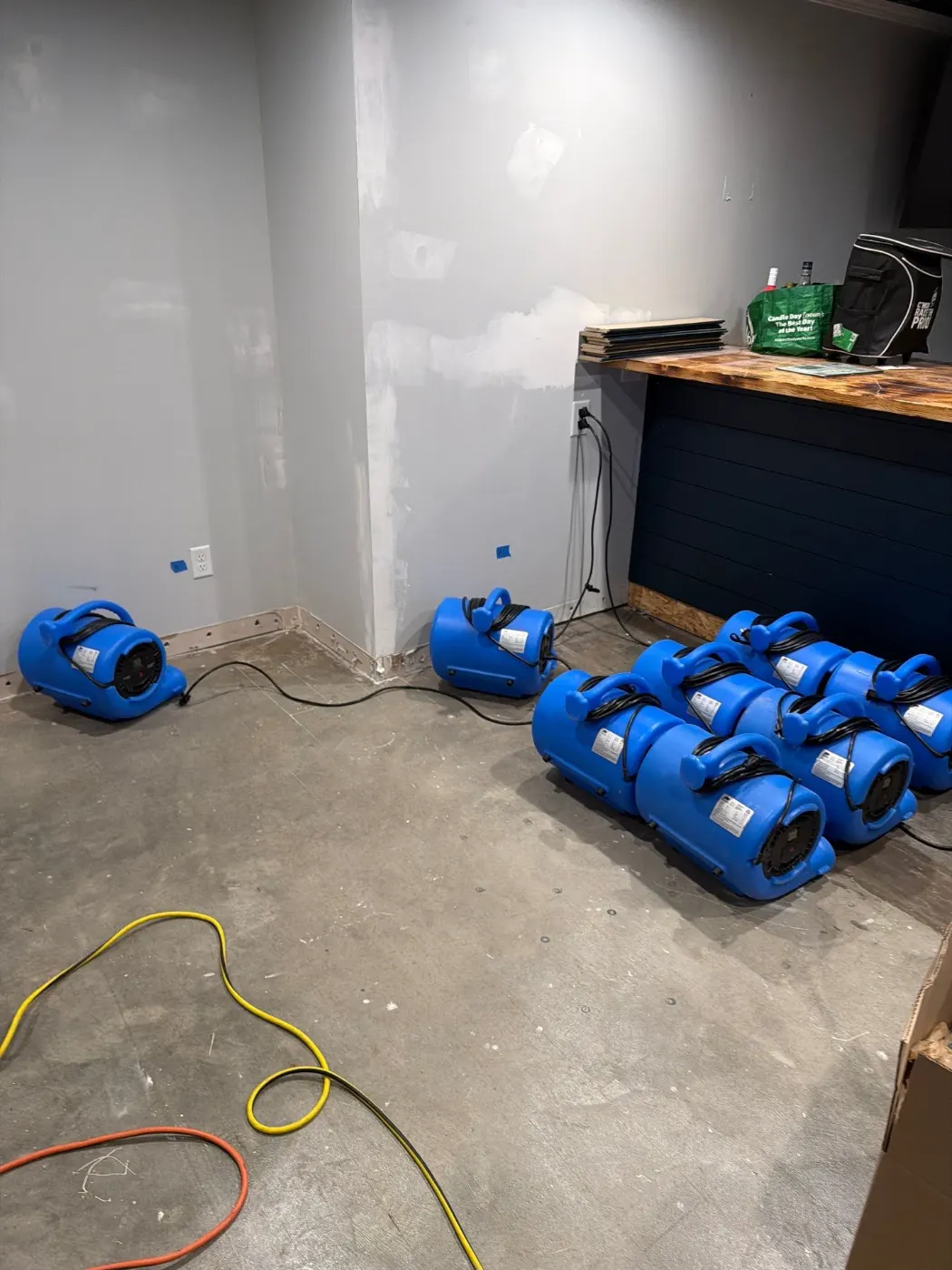
Dehumidification is sized to affected cubic footage, desiccant for open floor plates and refrigerant units for enclosed suites. Air movers go in at calculated angles. The crew checks available amperage and brings distribution or generator power when building panels can't carry the load.
Midpoint Scope Review
Partway through the job, the crew compares the readings with the projected equipment period and tells the property manager if the schedule or the scope has moved. Added removal is photographed and explained before the work starts.
Equipment Out and Space Release
As each area reaches its dry goal, the equipment comes out of it and the space goes back to the tenant. The release date and final readings for every area go in the file.
Commercial Storm Damage in Station Hill
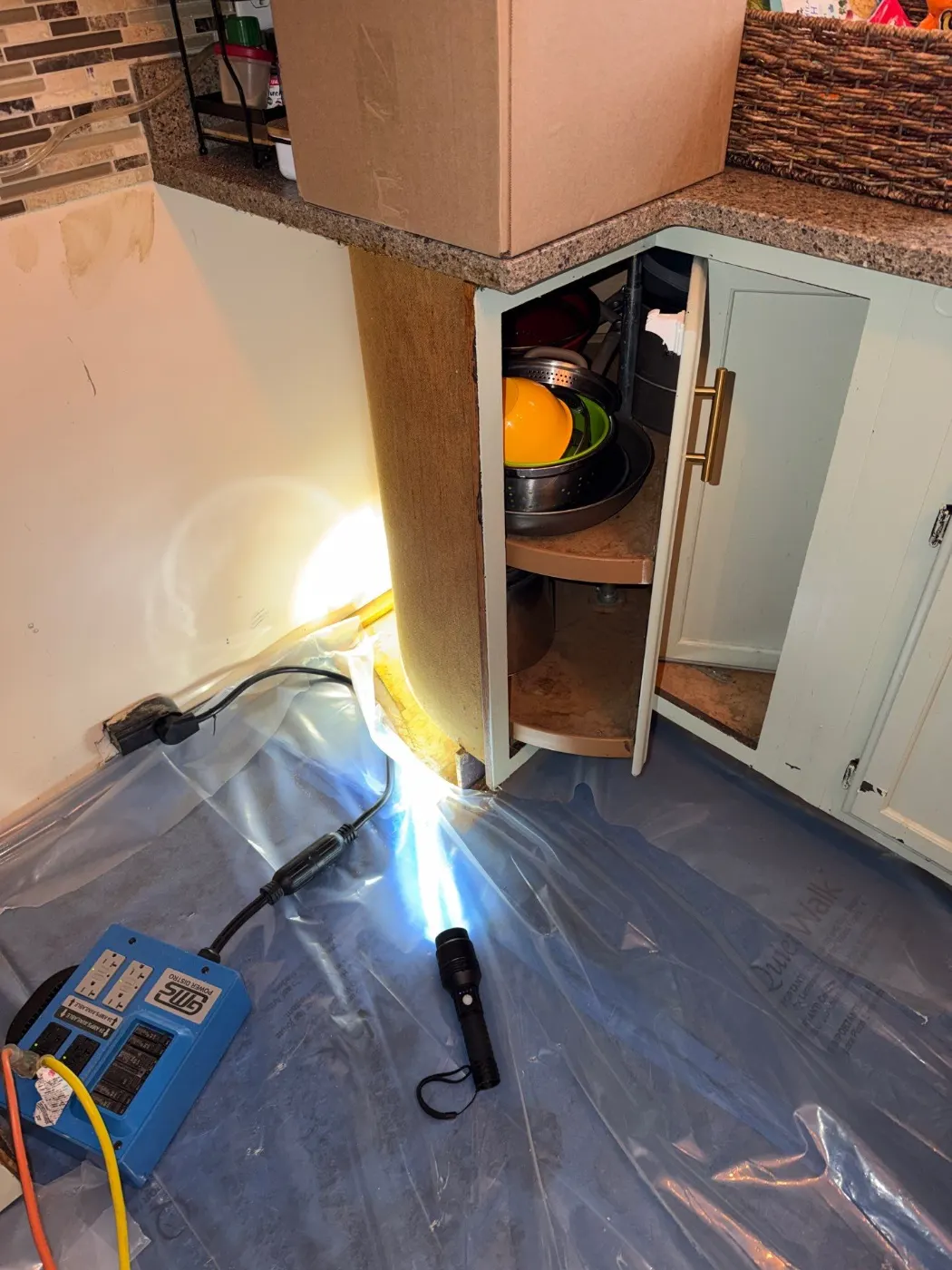
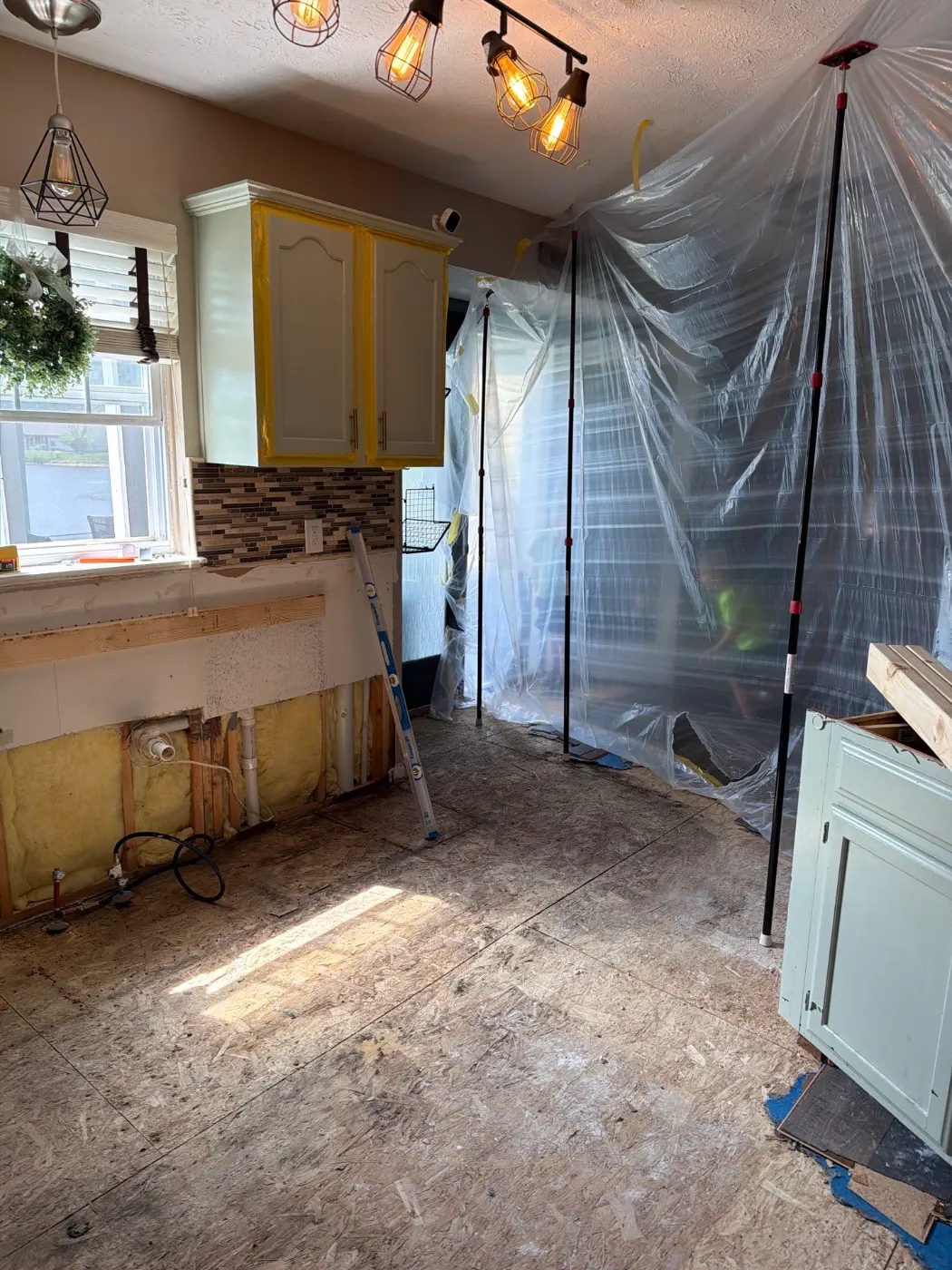
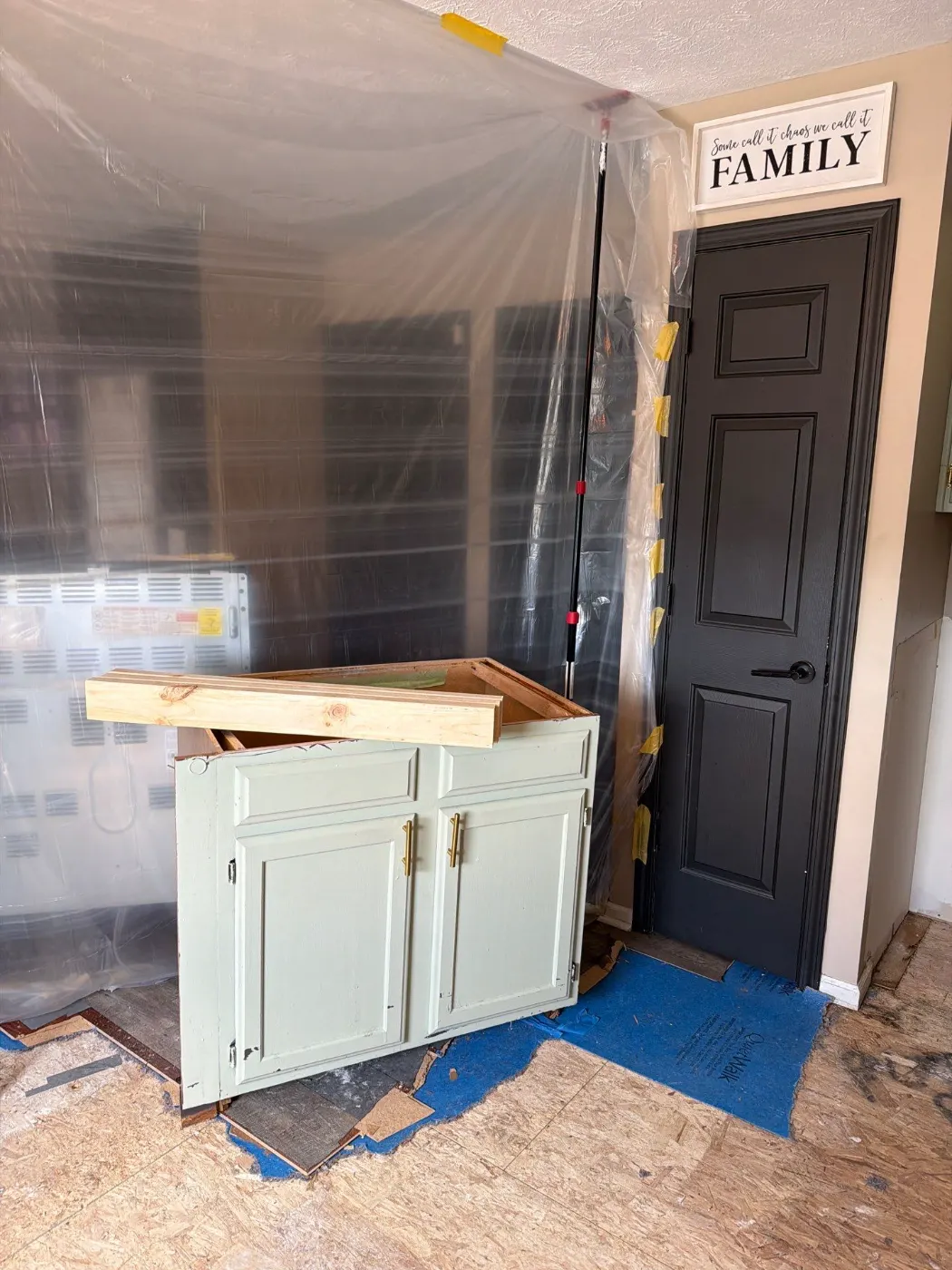
Photographs from real commercial storm damage jobs completed by our crew in Station Hill and surrounding areas.
Commercial Storm Damage FAQ
Questions Station Hill property managers ask us about commercial storm damage restoration.
Guidance and Standards for Commercial Storm Damage
- The National Weather Service office in Indianapolis posts summaries of recent central Indiana storm and flood events. NWS Indianapolis Event Summaries
- The ANSI/IICRC S500 is the published standard for professional water damage restoration. The current edition is the Fifth Edition, 2021. IICRC S500 Standard
Station Hill Neighborhoods We Serve
We take commercial storm damage calls in every part of Station Hill. Pick your neighborhood for local details.
Other Restoration Services in Station Hill
Station Hill Water Restoration handles the full scope of restoration work. Explore our other services below.
Water Damage Restoration in Station Hill
24/7 emergency response. IICRC certified water restoration from extraction to full dry out.
Learn more →Basement Flooding in Station Hill
Basement water emergencies handled fast. Extraction, drying, mold prevention.
Learn more →Sewage Cleanup in Station Hill
Category 3 biohazard cleanup. Full containment, decontamination, structural restoration.
Learn more →Request Commercial Storm Damage Restoration
Reach Us Directly
Our team is available 24/7 for emergencies and ready to schedule inspections during business hours.
Need Immediate Help?
For active water or mold emergencies, call us directly. We are available 24/7.