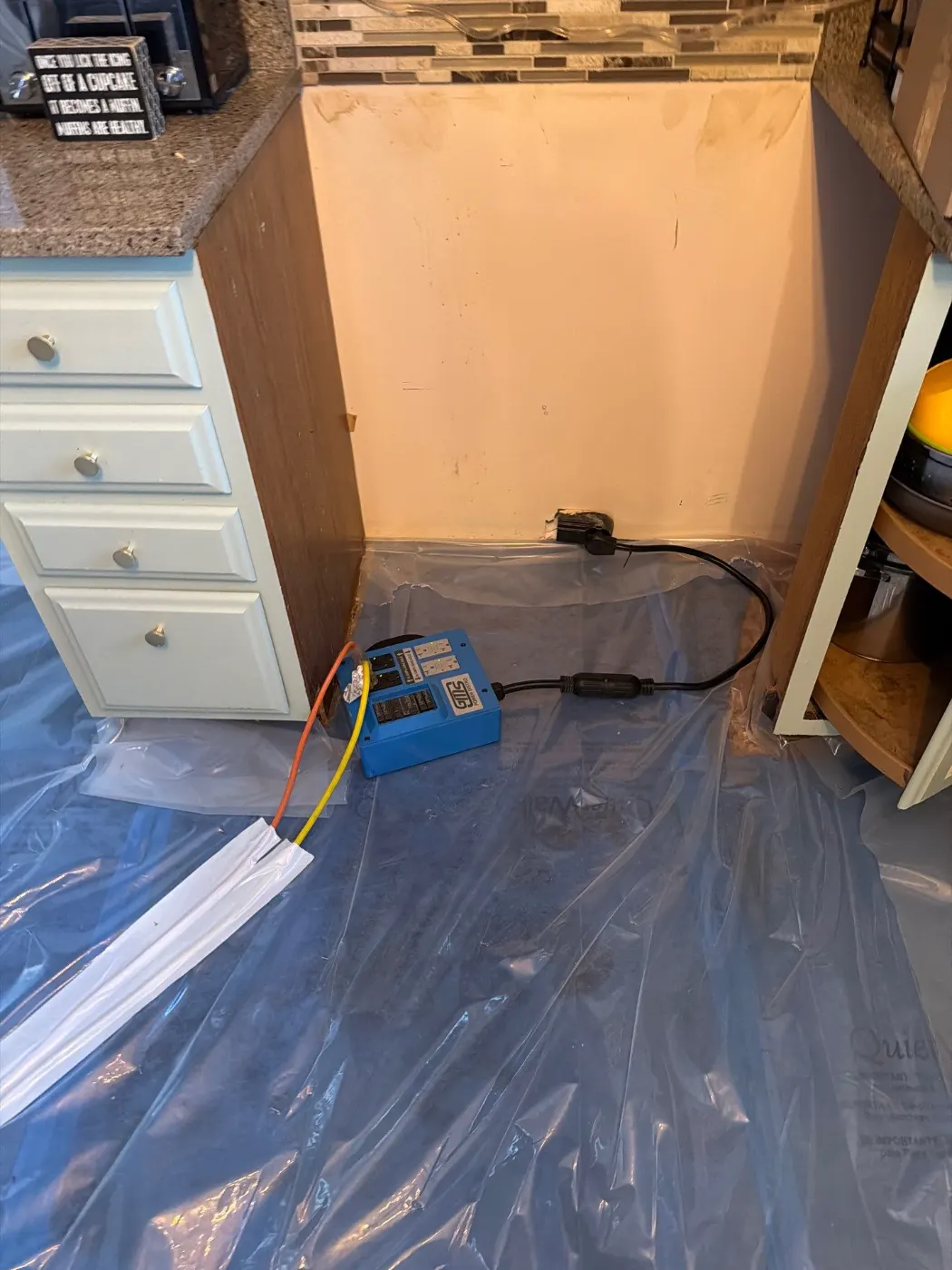
Standing Water in Your Station Hill Home?
Station Hill Water Restoration delivers water damage restoration in Station Hill with fast, around the clock emergency response when a pipe lets go, a sump pump quits, or storm water pushes into your basement. IICRC certified crews handle the full job from extraction through reconstruction and coordinate directly with your insurance carrier.
If we miss your call because we're out helping another homeowner, we'll call you back within 15 minutes.


When water hits a Station Hill home, Station Hill Water Restoration responds: 24/7 emergency water damage restoration, IICRC certified drying, sewage and storm cleanup, and the documentation that keeps insurance claims moving. Call (765) 676-3491 for immediate help.
- Services: water damage restoration, basement flooding, sewage cleanup, storm damage
- Service area: Station Hill, Hendricks County, IN and surrounding areas
- Response time: Same day for Station Hill inquiries; 24/7 emergency service available
- Licensed and insured (License #RC21100059)
- Serving Station Hill, IN since 2018
Schedule Your Free Damage Assessment
Inspecting a Station Hill home properly takes a room by room walkthrough, not a glance and a quote. We pull non penetrating meter readings on walls at multiple heights, check baseboards and trim, probe subfloors, pull insulation in suspect cavities, look behind cabinets and appliances, under sinks, around water heaters and washing machines, and walk the basement perimeter and slab joints. A thermal imaging camera maps hidden cold spots where moisture has wicked out of sight, a penetrating moisture meter confirms what the thermal sees, and a hygrometer logs ambient temperature and relative humidity. The reason we map this thoroughly in Station Hill is simple. The most expensive failure in water restoration is not the initial loss, it is the pocket of trapped moisture nobody found, feeding mold inside a wall cavity for thirty days.
I agree to be contacted by Station Hill Water Restoration regarding my inquiry.
Storm season puts Station Hill basements underwater every year. Overwhelmed sump pumps, saturated ground, and window well flooding send homeowners searching for flooded basement cleanup companies at the worst possible hour. Fast, professional water extraction protects the foundation level of your biggest investment.
Odor removal is the last mile of water damage cleanup. Musty smells mean moisture or microbial activity remains. Proper drying, cleaning, and air scrubbing address the cause, so Station Hill homes smell like homes again instead of like the event that happened to them.
Insurance questions get answered honestly here: what policies typically cover, what documentation adjusters expect, and how Station Hill claims move fastest. We work with every carrier serving Hendricks County and build files that stand up, while you make the decisions.
Payment Options That Work for You
We partner with established lenders so Station Hill Water Restoration clients can spread the cost of a major restoration project into manageable payments. Ask your project lead about current options.
Pay for your project at a later time, but lock in today's pricing. Ideal for homeowners waiting on insurance settlements.
- No payments for 12 months
- No interest if paid in full
- Lock in current pricing today
Divide your project cost equally across 12 months with zero interest. Most homeowners choose this option for predictable budgeting.
- Equal monthly payments
- 0% interest for 12 months
- Simple, predictable budgeting
Spread your investment over up to 20 years with fixed equal payments. The right choice for larger projects or homeowners who prefer lower monthly amounts.
- Up to 20-year terms available
- Fixed equal payments
- Ideal for larger restoration projects
Subject to credit approval. Ask your project lead for current terms and promotions.
Every Water Damage Restoration Service We Offer in Station Hill
Each service page below explains what the work involves in your Station Hill home and what to expect from the crew.
Water Damage Restoration in Station Hill
Serving Station Hill: full scope residential water damage restoration covering extraction, structural drying, antimicrobial treatment, and reconstruction following any clean or gray water loss. Performed to the IICRC S500 standard with documented moisture readings.
Learn moreBasement Flooding in Station Hill
For Station Hill addresses, emergency response for flooded basements caused by sump pump failure, foundation seepage, storm water intrusion, or interior plumbing breaks. Includes extraction, removal of unsalvageable materials, structural drying, and finish reconstruction.
Learn moreSewage Cleanup in Station Hill
Serving Station Hill: category 3 water cleanup for sewer backups, toilet overflows with solids, and septic failures. Performed with full containment, PPE, antimicrobial treatment, and proper disposal of contaminated materials per IICRC protocols.
Learn moreStorm Damage in Station Hill
In Station Hill, restoration of homes affected by wind driven rain, hail, and storm related water intrusion. Includes moisture mapping, drying, removal of saturated materials, and reconstruction of affected interior assemblies.
Learn moreCommercial Water Restoration in Station Hill
For Station Hill addresses, water damage restoration for offices, retail spaces, and other commercial properties. Scaled extraction and drying equipment, after hours scheduling available to minimize business interruption.
Learn moreCommercial Flood Damage Cleanup in Station Hill
For Station Hill addresses, large loss flood response for commercial buildings, including bulk water extraction, structural drying, content handling, and coordination with property managers and commercial carriers.
Learn moreCommercial Sewage Cleanup in Station Hill
Serving Station Hill: commercial sewage and Category 3 water cleanup with full containment, regulated waste handling, antimicrobial treatment, and documentation suited to commercial insurance and health code requirements.
Learn moreCommercial Mold Remediation in Station Hill
For Station Hill addresses, mold remediation for commercial properties performed to the IICRC S520 standard, including containment, HEPA filtration, removal of affected materials, and post remediation verification.
Learn moreCommercial Storm Damage in Station Hill
In Station Hill, storm driven water intrusion response for commercial properties, including moisture assessment, drying, demolition of unsalvageable materials, and interior reconstruction.
Learn more
Local Expertise, Real Results
Documented moisture readings, photos of every affected area, and a written scope, the work product Station Hill homeowners can hand their adjuster.
Water restoration in Station Hill runs through Station Hill Water Restoration. Indiana licensed (#RC21100059). IICRC trained. Locally owned and operated. Active since 2018. The work covers what most Station Hill water emergencies actually need: extraction, structural drying, mold control, sewage cleanup, and the reconstruction that closes the project.
Station Hill Water Restoration serves Station Hill homeowners across Avon and the wider Hendricks County area, responding to water emergencies in subdivisions like Thornridge, Waterford Lakes, and Stratford of Avon as readily as we do in Station Hill itself. Our restoration work covers everything from a slow supply line leak under a kitchen sink to a fully flooded finished basement after a spring storm. The crews dispatched to Station Hill are IICRC certified technicians on a licensed and insured payroll, not temp work pulled off a board. That distinction matters when someone is cutting drywall in your home and writing the scope your insurance carrier will pay against.
Every Station Hill job runs to the IICRC S500 standard for water damage restoration, and any mold work follows IICRC S520. That means an initial moisture assessment with thermal imaging and meters before equipment hits the floor, water classified as Category 1, 2, or 3, controlled extraction matched to the loss, structural drying with monitored air movement and dehumidification, and antimicrobial application where the standard calls for it. We verify materials are dry with logged meter readings, not guesses, before any reconstruction begins. The rigor protects the structure and gives your adjuster the documentation they expect.
Our Promise
We make three commitments to every Station Hill homeowner who calls. First, fast emergency response day or night, with a certified crew dispatched as soon as we have your address. Second, IICRC certified technicians trained to the S500 standard handling extraction, drying, and any mold remediation under S520. Third, a free on site inspection before any work is authorized, and full coordination with your insurance carrier if you have an active claim.
What a Good Station Hill Restoration Company Looks Like
IICRC certified technicians, thorough moisture documentation, and pricing walked through with you before work begins on any Station Hill water loss.
Around the Clock Emergency Dispatch
Water does not wait for business hours, and neither do we. Call our 24/7 emergency line and a certified crew is dispatched to Station Hill with extraction equipment, dehumidifiers, and air movers already on the truck. The faster water is pulled and drying begins, the less material has to be cut out later.
IICRC S500 Certified Crews
Our technicians are trained and certified to the IICRC S500 standard, the industry document that defines proper water damage restoration. In practice that means proper Category classification, correct equipment sizing, documented drying to verified moisture content, and antimicrobial use only when the standard calls for it. No guesswork on your home.
Mitigation Through Rebuild
Most Station Hill water losses end with cut drywall, missing flooring, and trim torn off. We handle the rebuild as part of the same job, drywall, paint, flooring, trim, and cabinetry, so you are not chasing a second contractor to finish what the first crew started.
Insurance Coordination Done Right
We document every affected area with photos, video, and logged meter readings, then work directly with your insurance carrier and adjuster on scope and justification. Station Hill homeowners get a clean claim file with the paperwork carriers expect, not a stack of receipts to fight over later.
Real Jobs. Real Results.
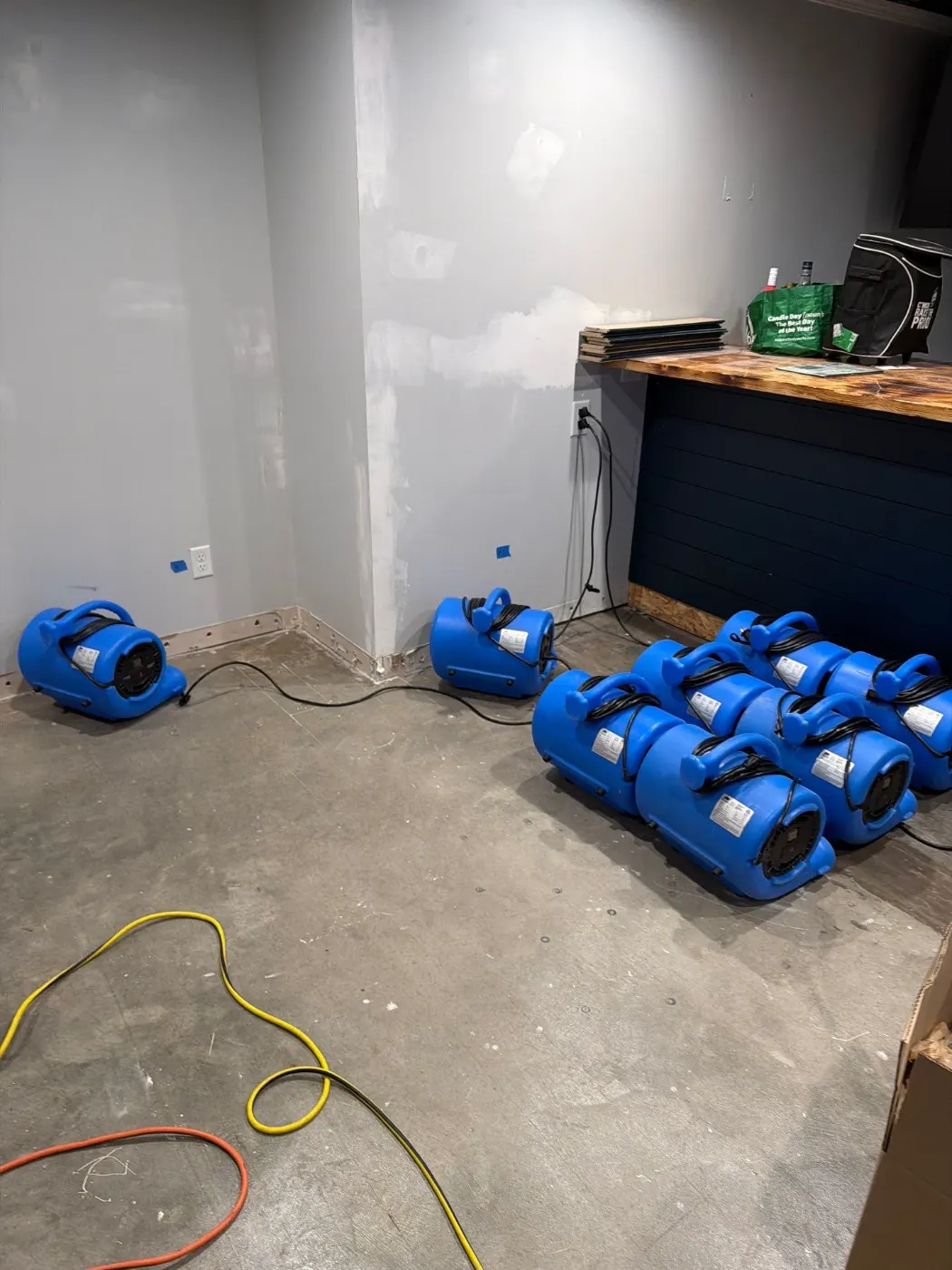
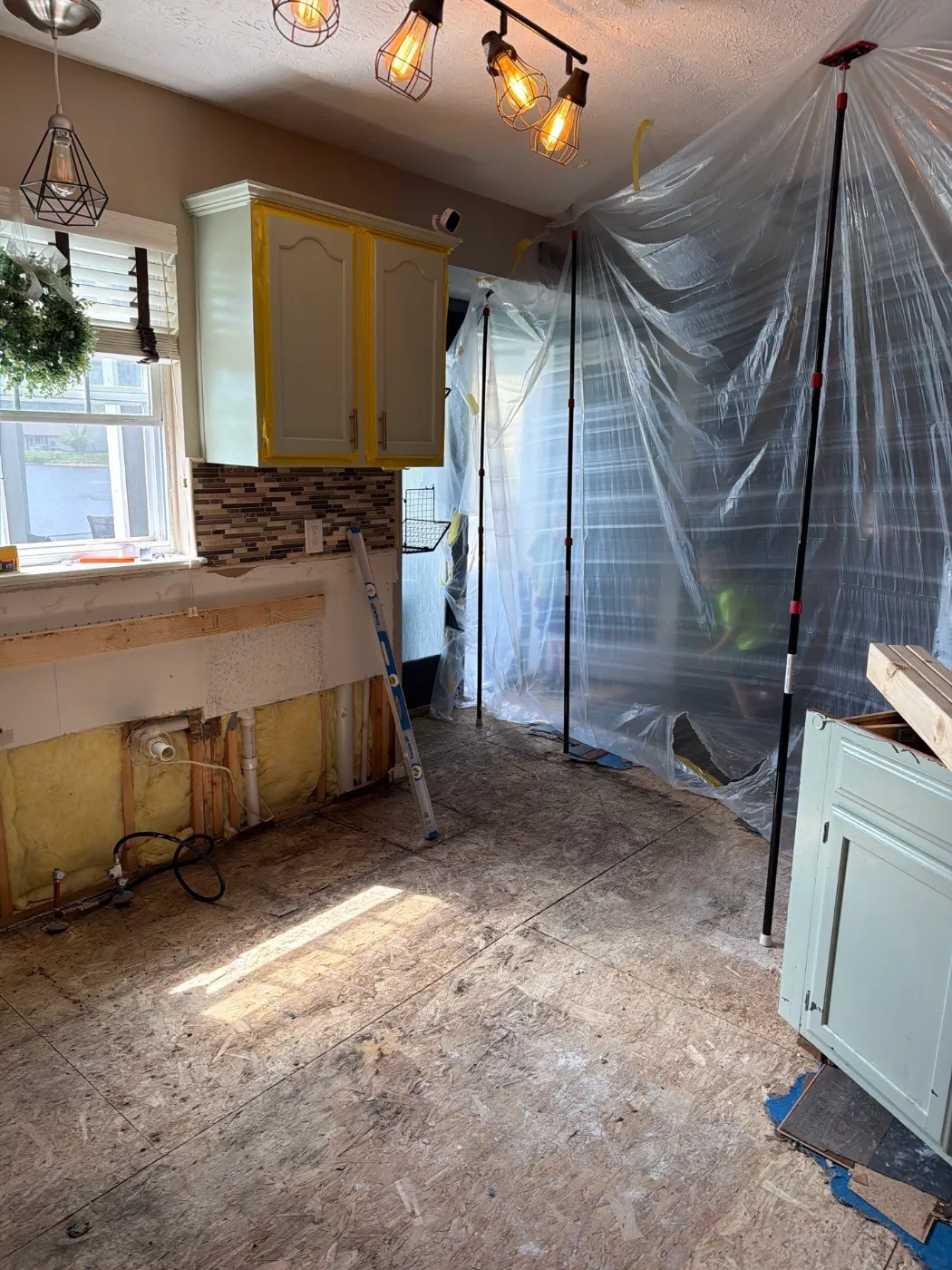
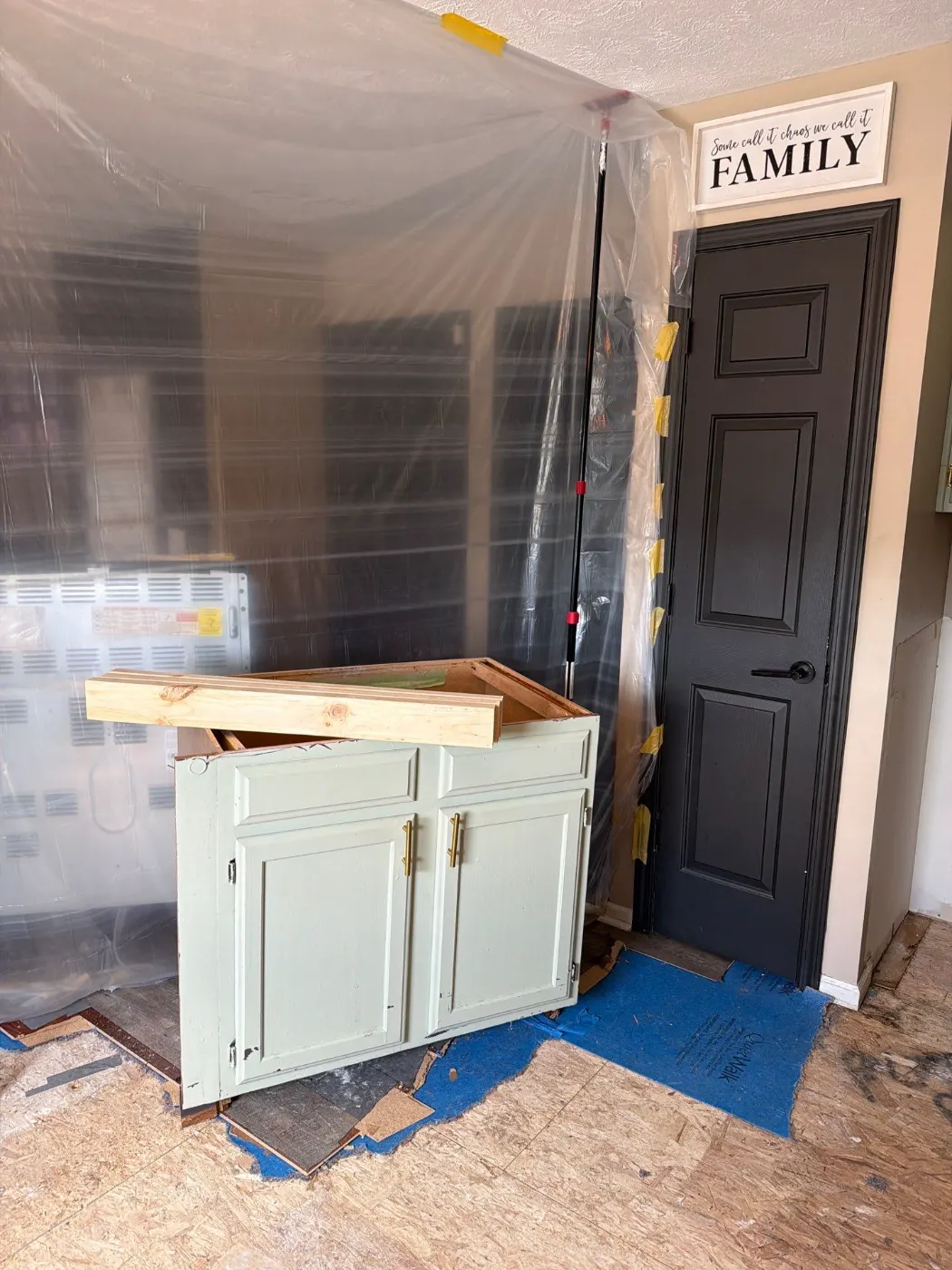
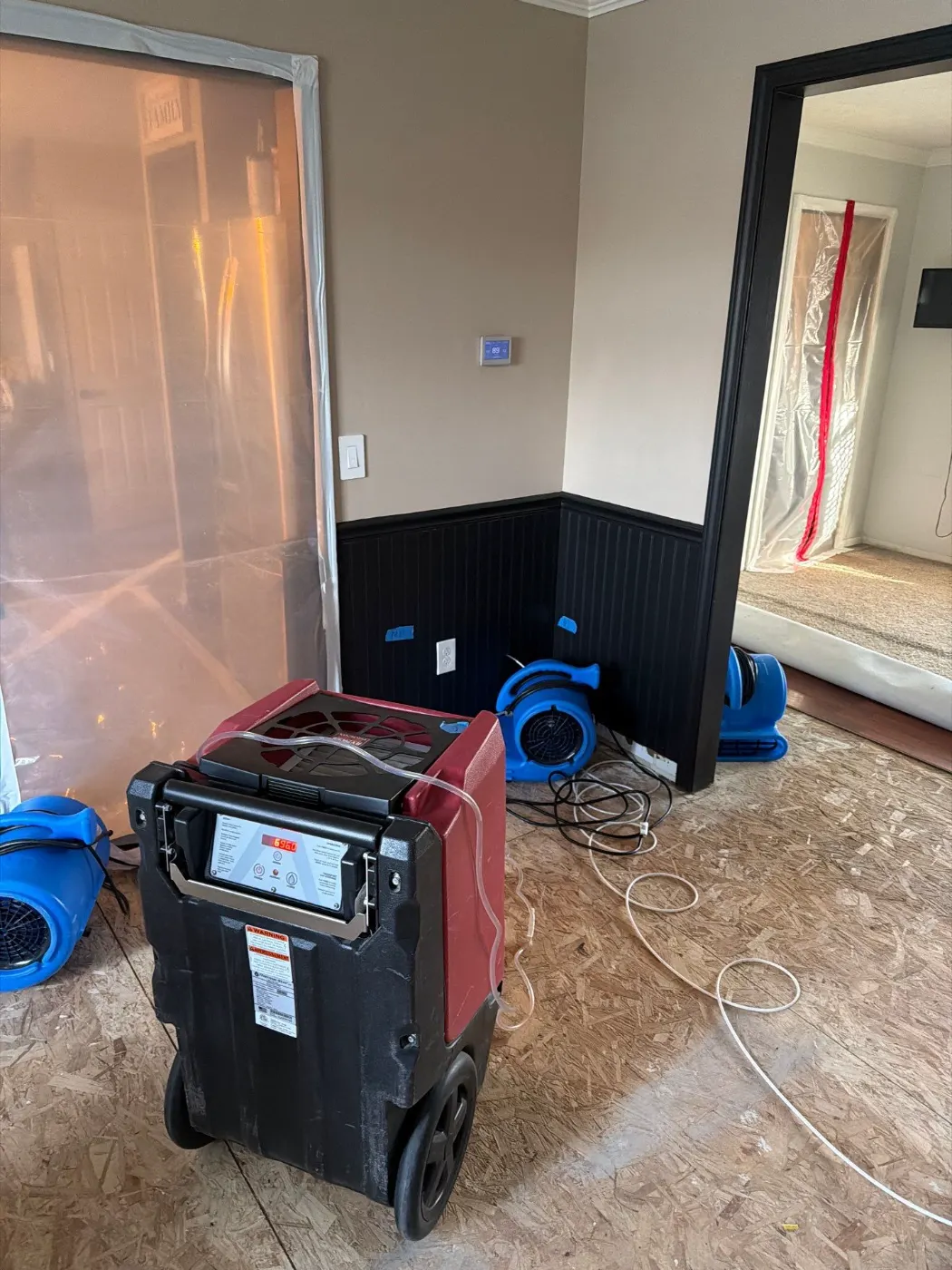
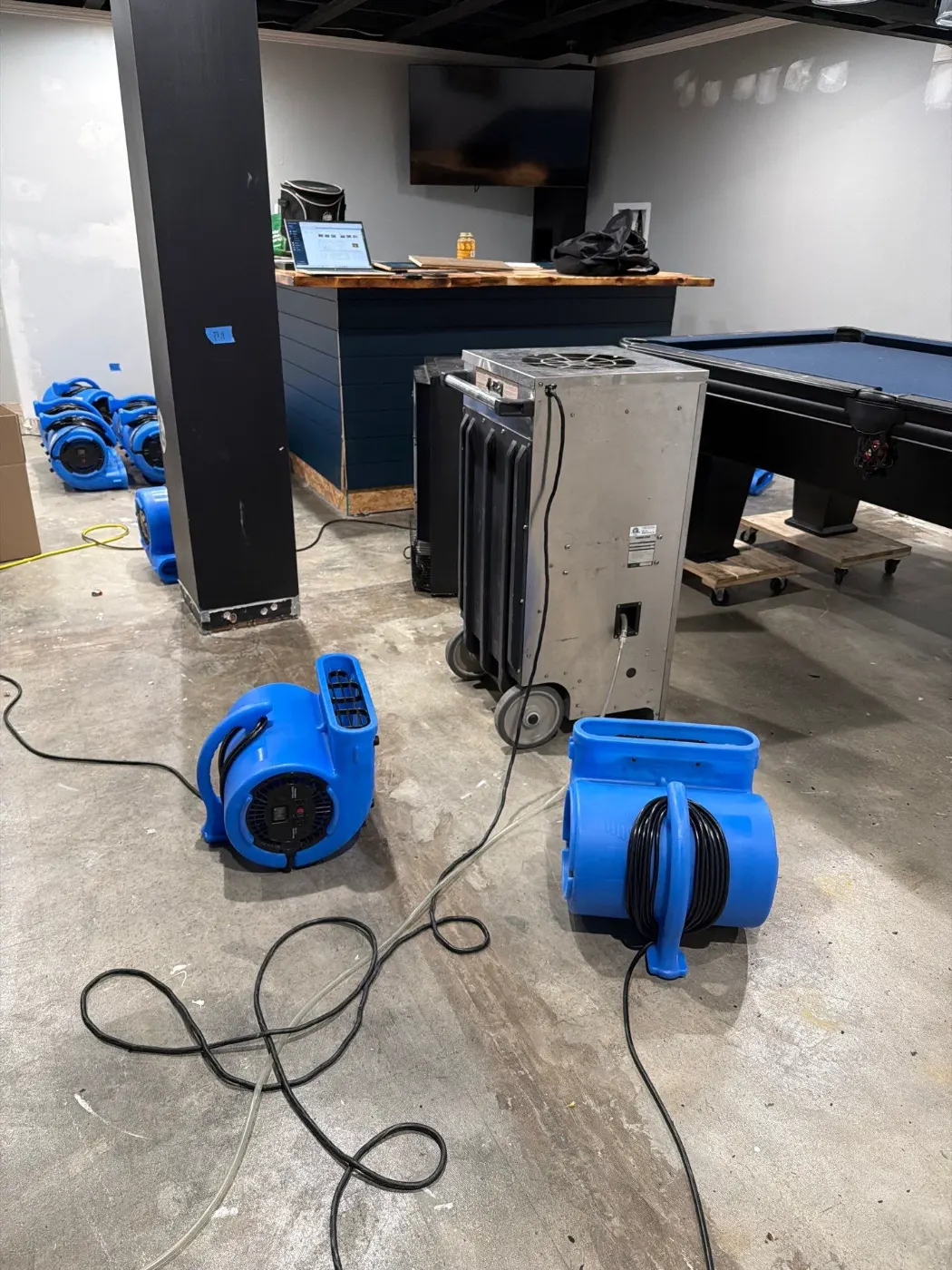
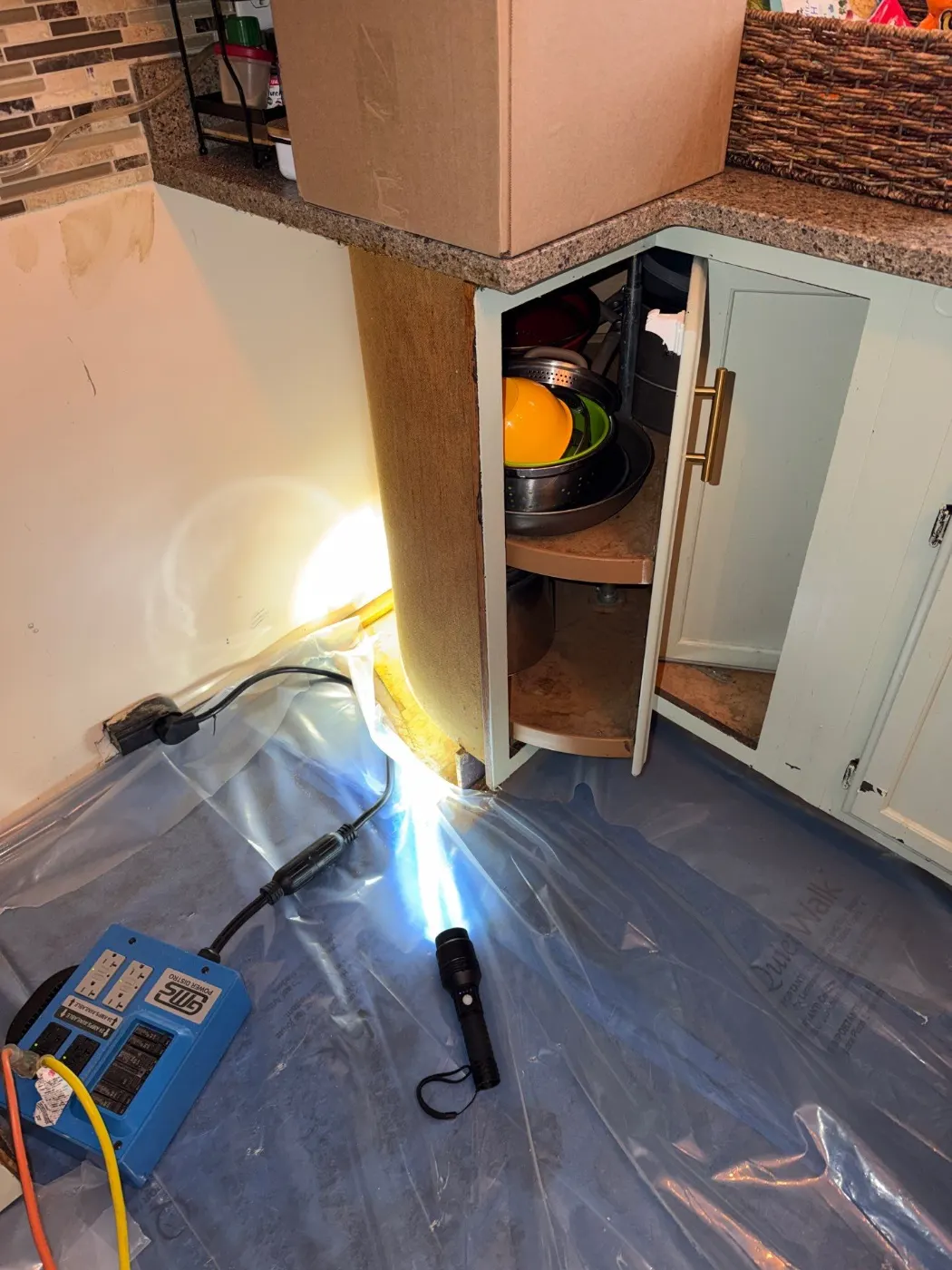
Recent water damage restoration work across Station Hill and Hendricks County, from finished basement floods to upstairs supply line breaks. Real homes, real scopes, real before and after.
How a Station Hill Restoration Comes Together
The first phase on any Station Hill job is moisture assessment and Category determination. A certified technician walks the loss with you, runs thermal imaging across affected and adjacent rooms, takes meter readings on materials, and identifies the source, whether it is a broken supply line, a failed appliance, a sewage backup, or storm water intrusion. Water is then classified as Category 1, 2, or 3 per IICRC S500, and the full scope of saturated materials is mapped before any drying equipment is staged. This assessment phase typically takes one to two hours.
Once scope is set, insurance coordination begins. We photograph and video every affected area before mitigation starts, produce a written moisture map with logged meter readings, and contact your adjuster directly to align scope with coverage. Mitigation steps are justified in writing against the S500 standard so the carrier sees why each action was necessary. Most Station Hill homeowners never have to handle this paperwork themselves, we work with your insurance carrier on the documentation while you focus on your family. If coverage is denied or you have a high deductible, we walk you through options before work proceeds.
Drying execution comes next, with air movers and dehumidifiers placed using structural drying calculations matched to the loss. Readings are taken and logged daily until affected materials reach the same moisture content as unaffected materials of the same type. Controlled demolition is used only where the standard requires it, saturated drywall cut to a clean line, wet insulation removed, swollen baseboards pulled. Reconstruction follows, drywall replacement, insulation, flooring, paint, trim, and finish work, completed so your Station Hill home is delivered back finished rather than mid demo.
Rapid Emergency Dispatch
Call comes in, address is logged, a certified crew rolls with extraction equipment, dehumidifiers, air movers, thermal imaging, and meters already loaded. No second trip back to the shop for gear. Station Hill homeowners get a crew that can begin extraction the same visit, not a sales rep with a clipboard.
Category Determination to S500
Every loss is classified Category 1 (clean water from a supply line or appliance overflow), Category 2 (gray water from a dishwasher, washer, or toilet overflow without solids), or Category 3 (sewage, floodwater, long standing groundwater). Meter readings are logged and a written assessment is produced before drying equipment is set.
Insurance Carrier Coordination
We work with your insurance carrier and adjuster on scope, documentation, and mitigation justification. Photos, video, moisture maps, and meter logs go into the claim file. Nothing lands on the invoice at the end, and no claim of insurance coordination we cannot back up.
Verified Dry Before Rebuild
Reconstruction does not start until meter readings confirm affected materials match unaffected materials of the same type. Daily monitoring during drying, written readings, and a final verification walk through protect against the trapped moisture that fuels mold thirty days after the trucks leave.
The Most Frequent Station Hill Water Emergencies
Station Hill homes typically call us about these six water damage scenarios.
Tub and Shower Pan Leaks
Tub surrounds leak at the spout penetration, at the valve escutcheon, and where the deck meets the wall. Any of the three puts water behind the surround, soaking framing and subfloor without ever running across the bathroom floor.
Dishwasher Leak Under the Cabinet
Kitchen leaks travel along the underside of the cabinet run and drop through the first opening they find. In a Station Hill home over a finished basement, the first sign is a stain on the ceiling below, a room away from the appliance that caused it.
Appliance Failures
Dishwashers, washing machines, refrigerator ice maker lines, and water heaters fail without warning. Slow leaks behind appliances can run weeks before the wall behind them shows visible damage.
Roof Leaks After Storms
Wind-driven rain and hail damage shingles, flashing fails, and water tracks down attic rafters into the living space. Often invisible from the ground until ceiling stains appear days later.
Burst Supply Lines
Indiana winters drop below freezing for weeks at a time. Station Hill homes with poorly insulated supply lines see pipes freeze, expand, and burst. The damage shows up when the thaw begins and water starts flowing.
Toilet Supply Line Leaks
The plastic supply line under a toilet is one of the most failure-prone plumbing parts in the home. A pinhole leak running unnoticed for hours can drop 30 to 50 gallons through ceilings and floors.
Found Water in Your Station Hill Home? What to Do First
In the first hour, work through this list in order, starting with the water itself. Everything on it can be done with what you already have at home, and each step makes the drying easier once our crew arrives.
1. Close the main valve first
Find the main shutoff and close it all the way. A round handle turns clockwise, and a lever handle turns so it sits across the pipe. If the valve won't move, your water utility can usually shut off service at the meter.
2. Turn off power to wet rooms
Switch off the breakers for wet rooms only when you're standing somewhere dry and the panel is dry too. When the panel sits in a flooded basement, leave it alone and call your electric utility from upstairs.
3. Protect yourself first
If you have to step into wet areas, wear rubber boots and gloves. Take the basement stairs slowly if they're wet, and leave the cleanup of any dirty water to the crew.
4. Save the paperwork
Deeds and family records are hard to replace, so move them to a dry room before anything else. Put them in a plastic bin or a sealed bag if the rest of the house is damp.
5. Protect wood floors and furniture
Wood soaks up water quickly, so wipe off what you can and set furniture legs on foil or small blocks. Pick up area rugs so the floor under them can start to dry, and roll heavy ones onto a dry surface.
6. Leave wet drywall and carpet in place
It's tempting to start pulling things out, but leave wet drywall and carpet where they are. Our crew takes the damage photos and moisture readings before anything is removed, and that record goes into your photo report.
7. Wipe down what you can
Wipe water off wood furniture and counters with dry towels, and set wet cushions on their sides so they drain while you wait for the crew. Keep the towels you use in a bucket or the tub so they don't soak another floor.
8. Call us and describe what you see
When you call, tell us where the water seems to be coming from and which rooms it reached. Those two details help the crew bring the right equipment on the first trip to your Station Hill home.
Keep this list handy, and call us as soon as the water is shut off so the crew can start drying your home.
Three Simple Steps
From dispatch to the day the equipment leaves, this is the order the work happens in your Station Hill home.
Call Received, Crew Sent
Delay is the only part of this that is genuinely expensive. Every emergency call gets a crew assigned and rolling within 2 hours.
The Written Scope
Nothing gets billed that is not photographed and justified first. You get told what is urgent, what can wait, and what is fine.
Back to Normal
Equipment count is calculated from the wet square footage. The file closes with proof, not a promise.
What You'll See in Your Water Damage Photo Report
The photo report lets you see the damage for yourself, room by room, with the crew's photos and the readings behind every recommendation we make in your Station Hill home. It starts on the first visit and grows as the drying goes.
The starting point
Every report opens with the starting point of the leak, photographed before anything is moved. Water that came from outside, like a window well or a storm, gets noted the same way, with photos of where it got in.
What a thermal camera shows
A thermal camera picks up the cooler surfaces that wet materials leave behind. When the crew uses one, the images go in the report next to the meter readings that confirm what the camera found.
Pictures from start to finish
Photos go into the report at each stage of the job, starting with the damage the crew found when they first walked in. By the end, you have a visual history of the room from wet to dry.
Saving what can be saved
Drying in place is usually less disruptive than tearing out and replacing, and the readings show when it's possible. The report notes what the crew is drying in place and what it plans to remove, with photos of both.
Progress you can follow
Each visit adds a new set of readings and photos, so the report shows the drying day by day. If one spot dries slower than the rest, you'll see it in the numbers along with what the crew is changing to fix it.
A conversation in plain words
The report comes with an explanation. We go over the photos and readings with you and answer questions as they come up, so the moisture numbers make sense to you.
Deciding with your insurance company
We document damage with a photo report and walk you through what we found, so you can decide with your insurance company. Read your own policy to see what it covers, because each one is a little different.
Call us when you find water, and the photo report starts on our first visit to your home.
What to Ask Before You Hire in Station Hill
Ask any restoration company in Station Hill these questions before you sign a work authorization.
Who will be working in my home?
Ask whether the crew works for the company you called or for a subcontractor, and who's in charge on site each day.
How will you show me it's dry?
Ask for moisture readings on the first visit and the last one, so you can see the numbers reach dry standard.
Can I see an itemized estimate?
Ask for every line item in writing. Many insurers price water losses in Xactimate, so an estimate in that format is easier for an adjuster to review.
Does my policy require a certain company?
Ask your adjuster before you sign anything, and read the work authorization so you know what you're agreeing to.
What happens if you find mold?
Ask how mold behind walls or under floors gets handled, and whether that work is priced apart from the drying.
Who handles repairs after drying?
Ask who replaces drywall, flooring, paint and trim once the structure is dry, and whether one company can do both stages.
Indiana Weather Drives Restoration Calls Year Round
Indiana weather drives the calendar of water damage calls in Station Hill. Spring brings multi day rain events that saturate the ground and overwhelm sump systems, summer thunderstorms push wind driven rain through compromised seals, and January cold snaps freeze and split supply lines in exterior walls overnight.
Spring Saturation Flooding
Central Indiana springs hit Station Hill with multi day rain events on already saturated ground. Hydrostatic pressure pushes water through foundation cracks and slab joints, and overwhelmed sump pits back up into finished basements. When called in, we extract standing water, pull wet pad and baseboards, and stage drying equipment before the carpet delaminates.
Winter Pipe Bursts
When Hendricks County overnight lows drop into single digits, supply lines in exterior walls and unheated spaces freeze and split. Most Station Hill burst calls hit between 2 AM and 6 AM when the house catches up to the cold. We respond around the clock, stop spread, and begin extraction while a plumber handles the repair.
Severe Thunderstorm Intrusion
Summer storms drive wind blown rain through compromised flashing, window frames, and door thresholds. Water tracks down inside walls and shows up as a ceiling stain two rooms away. We use thermal imaging to trace the actual path, not just dry the visible spot, then document the loss for your storm claim.
Sump Pump Failure Floods
Sump pump failure during heavy rain is one of the most common basement flooding causes we see in Station Hill. A stuck float, a dead battery on the backup, or a power outage during the storm leaves a finished basement under inches of water. We extract, dry the framing and subfloor, and remove unsalvageable carpet pad and drywall.
Where Our Trucks Go in Station Hill
Each Station Hill neighborhood below has its own mix of home ages and basements. Open one to see what that means for water damage.
Where we respond near Station Hill
Call from Station Hill or a town close by, and a crew can be dispatched at any hour.
What Makes Station Hill Water Losses Different
Why the age and build of a Station Hill home changes the work.
About Station Hill Homes
Station Hill is a residential subdivision within Avon, Indiana, where much of the housing stock was built relatively recently, predominantly in the 1990s through 2010s as part of Avon's rapid suburban expansion. Homes of this era typically feature copper or PEX supply plumbing, with older pockets near the 1990s buildout potentially retaining early copper that may show pinhole failure patterns. The area consists primarily of two story single family suburban homes in a family friendly subdivision setting typical of Hendricks County's residential growth, with finished basements common across Avon's newer subdivisions and sump pump installations standard in homes built on the area's relatively flat Central Indiana terrain.
Where We Work in Station Hill
We cover homeowners across Station Hill near Avon Town Hall Park, Washington Township Park, Burnett Woods, Harlan Center, Avon Station shopping area, Avon High School, Rockville Road (US-36), Ronald Reagan Parkway.
Surrounding Areas We Serve
Our crew also covers Thornridge, Waterford Lakes, Sunchase Meadows, Stratford of Avon, Timber Bend, Woodcreek Crossing.
Recent Weather Patterns
On June 22, 2010, severe storms caused flash flooding in Avon when White Lick Creek overflowed its banks, dams broke at Jeto Lake and Indian Head Lake in Hendricks County, and flooding extended along White Lick Creek through Hendricks and Morgan Counties. More recently, a March 2026 hailstorm brought quarter sized hail to Avon and Hendricks County, compounding storm exposure following an April 2025 EF-2 tornado outbreak that struck nearby Brownsburg.
What Our Crew Sees in Station Hill
Avon's rapid suburban growth has produced a stormwater runoff challenge recognized by the town itself, which established a formal Stormwater Utility in 2016 based on impervious surface area, a sign that drainage infrastructure was already under pressure from development density. Basement flooding risk is significant, as sump pump failure during heavy spring and summer rain events is a documented cause of water damage in Avon homes, and heavy rain can quickly overwhelm drainage systems while freezing winter temperatures regularly cause burst pipes inside walls and ceilings. White Lick Creek's flood history and the area's flat Central Indiana topography mean that properties in lower lying pockets of the Station Hill area face recurring surface water and foundation intrusion exposure.
The Station Hill Area
Avon has a population of approximately 23,000,24,000 residents with a median household income of approximately $98,486 and a median age of 37.4 years, reflecting a predominantly family oriented, upper middle income suburban community in Hendricks County.
What Each Phase of the Job Covers in Station Hill
Every loss in Station Hill moves through these three phases in order.
Emergency response on a Station Hill water loss starts with what is already on the truck. Commercial water extraction equipment for standing water, commercial dehumidifiers sized to the affected square footage, professional air movers staged across wet materials, calibrated moisture meters, and a thermal imaging camera for hidden saturation. Extraction begins promptly on arrival, drying equipment is set the same day, and daily monitoring with logged readings tracks materials toward dry standard. We contain the work zone with plastic, protect unaffected rooms and contents, and walk you through what to expect day by day so the house does not feel like a construction site you cannot navigate. This phase covers most Category 1 and Category 2 losses, from supply line breaks to washing machine overflows to dishwasher failures.
Specialized containment applies when the water is Category 3 (sewage backup, floodwater, long stagnant water with biological contamination) or when mold remediation under IICRC S520 is required. We build 6-mil plastic containment floor to ceiling, seal entry points, and run negative air machines pulling contained air through HEPA filtration before exhausting outside the work zone. Technicians work in full PPE per S520, Tyvek suits, N95 or P100 respirators, nitrile gloves, and eye protection. Contaminated drywall, insulation, carpet, and pad are cut, bagged, and disposed of as regulated waste. Remaining structure is treated with antimicrobial, and post remediation verification with air sampling is used when the scope warrants it. This is the phase where IICRC certification matters most, because corner cutting here is what causes the long term respiratory complaints months later.
Reconstruction is where most restoration jobs go sideways, because most companies stop at dry out and hand the home to a separate general contractor. We do not. The same project handles drywall hung, taped, mudded, sanded, primed, and painted, flooring replaced (carpet and pad, vinyl plank, hardwood refinish or replacement, tile reset), trim and baseboards reinstalled or replaced, cabinetry repaired or replaced, and doors rehung. Electrical and plumbing finish work is coordinated so outlets, fixtures, and supply connections are restored cleanly. One project manager Station Hill homeowners talk to, one schedule, one final walk through. The alternative most folks experience is two crews, two billing cycles, and a basement that sits in demolition for weeks between phases. The point of restoration is a finished house, not a dried out shell.
What to Expect While Drying Equipment Runs in Your Station Hill Home
For a few days you'll share your home with fans and dehumidifiers running in the rooms that got wet, and you can keep using the rest of the house. The crew plans the setup around how you live there, and these notes cover what helps the drying move along.
What each machine does
Air movers push air across wet floors and walls so the water evaporates, and dehumidifiers pull that moisture back out of the air. The two kinds of machines work as a pair, so both need to keep running.
Leave it where the crew set it
Each air mover is aimed at a specific wall or section of floor. Leave the units where they are and keep them running overnight. If one needs to move, call us and the crew will reposition it.
Closed doors help
When the crew closes off a room, the equipment dries a smaller space faster. Keep those doors shut as much as you can, and pass through quickly when you need to get in.
Your electric bill
Running several machines for days will raise your electric bill for that month, and that's a normal part of drying a home. The crew removes each unit as soon as the readings say its area is dry.
Plastic walls stay up
If the crew hangs plastic sheeting to close off part of a room, it's there to keep dust and moisture contained. Leave the zipper doors closed, and keep curious pets from scratching at the plastic.
Let the crew in each day
The daily check takes a short while, and it decides when the equipment can come out. Plan for someone to be home, or work out a time with the crew so they can get to the wet rooms.
Why the drying starts right away
EPA says it's important to dry water damaged areas and items within 24 to 48 hours to prevent mold growth. That's why the crew sets up drying equipment on the first visit and checks it each day after.
Finishing the dry out
Drying wraps up room by room, so some units may leave before others. When the last readings come back dry, the crew removes the rest of the equipment and walks the house with you.
Questions during the dry out are normal, so call our line and we'll get you an answer from the crew.
Water damage response pricing in Station Hill
Every Station Hill water loss is priced from the actual scope, Category of water, affected square footage, and reconstruction needs. The ranges below reflect typical Station Hill jobs, and a free on site inspection sets the final number before any work is authorized.
Station Hill Water Restoration is powered by Indy Roof & Restoration
The company behind that name carries the whole job: estimates, crews, paperwork, and warranty. This is home turf: Indy Roof & Restoration has run central Indiana routes since 2018 and knows Station Hill down to the cul-de-sacs. The 2,380+ Google reviews for Indy Roof & Restoration are public.
Licensed and insured · License #RC21100059
The company's credentials: BBB A+ Rated · Owens Corning Preferred Contractor · Malarkey Certified Contractor. You may have seen the team on FOX59, WISH TV, and RTV6. They show up off the clock too, including Habitat for Humanity, Toys for Tots, the annual school supply backpack drive, and local youth sports and school programs across central Indiana.
Clear Answers to Common Station Hill Concerns
The questions Station Hill homeowners ask us most often, answered in plain language.
Expert Station Hill Restoration Crews Available Now
Water spreading right now, sewage in a finished basement, or hidden moisture you suspect behind a wall in Station Hill, call our 24/7 emergency line for fast dispatch. Free on site inspection, no obligation, and we work with your insurance carrier on scope and documentation.