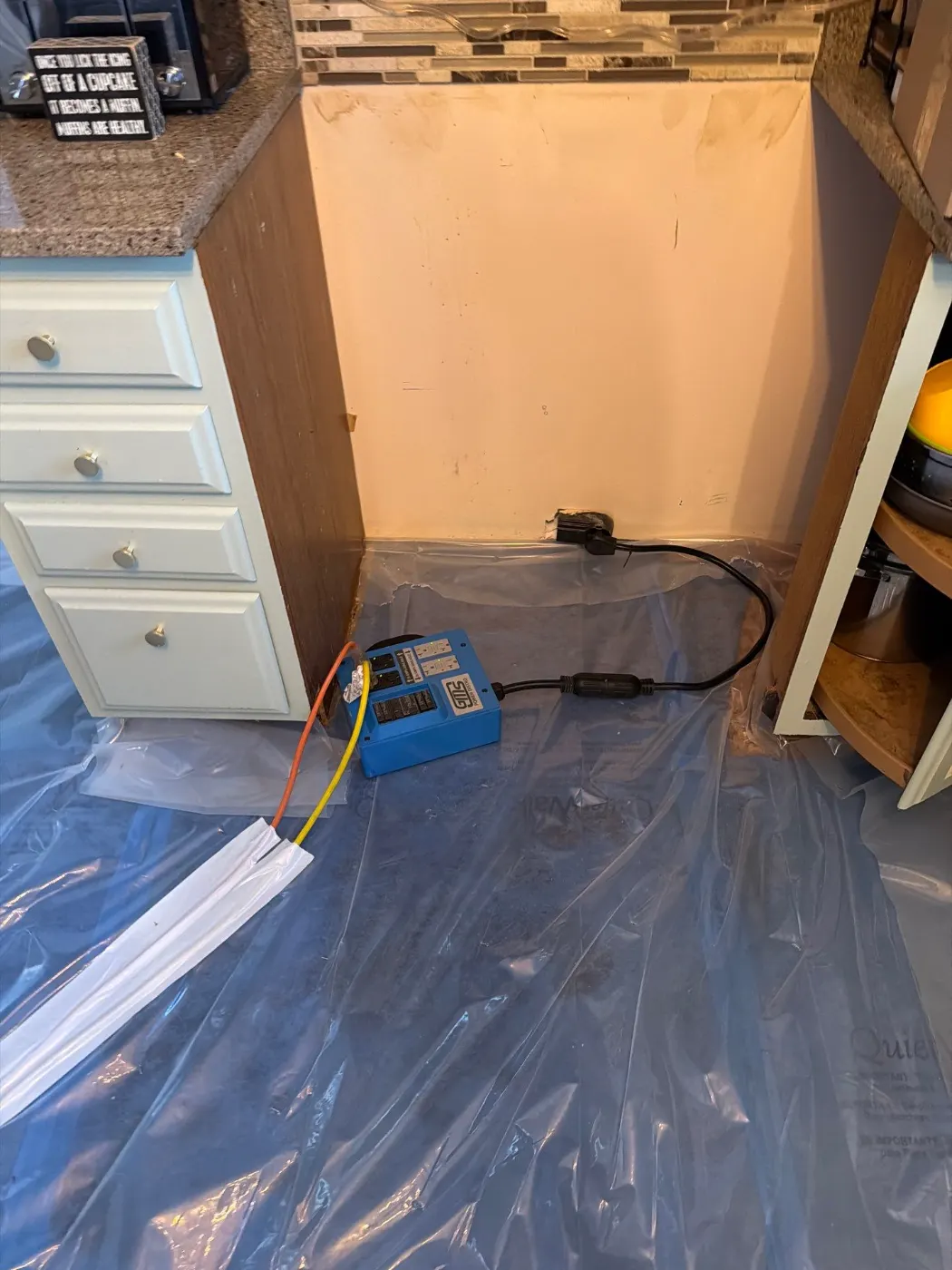
Commercial Flood Damage Cleanup in Station Hill, IN
Power status confirmed before entry, then floodwater out and the structure dried across your Station Hill commercial property.
Station Hill Water Restoration is the Station Hill call for Commercial Flood Damage Cleanup: emergency crews around the clock, moisture readings instead of guesswork, and insurance files built properly. Call (765) 676-3491.
- Service: Commercial Flood Damage Cleanup for Station Hill homeowners
- Service area: Station Hill, IN and surrounding areas
- Response time: Rapid emergency dispatch for Station Hill inquiries; crews available 24/7
- Licensed and insured (License #RC21100059)
- Serving Station Hill, IN since 2018
Commercial Flood Cleanup in Station Hill
We handle commercial flood cleanup across Station Hill, and we'll start with the areas your business needs back first.
Flood Exposure Here
Flood risk here runs highest for sites close to White Lick Creek, which has a history of flooding. Your building's own flood exposure gets mapped when we walk the site with your facilities contact.
Our flood crews work commercial sites throughout Station Hill, including the blocks around the Avon Station shopping area. We also handle commercial flood cleanup in Woodcreek Crossing.
Commercial Flood Damage Cleanup for Station Hill Businesses
Heavy summer storms can overwhelm a retention pond or a storm drain fast, and the overflow crosses your lot as a sheet of water at ground level. It reaches the door thresholds carrying grit and whatever else was on the lot. Station Hill Water Restoration cleans up commercial flood damage in Station Hill with that contamination in mind from the first step.
The water category gets decided and written down before the first wall is opened. For rising floodwater and surface runoff, Station Hill Water Restoration treats the water as Category 3 and records where it entered and what it crossed to get there. That record sets the protective equipment and the disposal plan for your Station Hill property.
After the debris is gone, the exposed structure of your Station Hill building gets washed from the top of each wall down to the floor. Concrete and block are scrubbed with detergent and rinsed so the residue runs to the floor, where it's extracted with the rinse water. Any antimicrobial goes on afterward, once the surface is clean.
The final drying report at close is the document that says the structure met dry standard. It carries the final readings by location and material, the dry standard they were measured against, the equipment log showing what ran and for how long, and the dates each zone was released. That page closes out the drying record, and it's also what protects you if a moisture question comes up later.
Call Station Hill Water Restoration and a commercial crew is on the way to your Station Hill property with high volume pumping and extraction. The moisture log starts on the day the crew arrives. Every photo and reading goes in a file you keep.
Signs You Need Commercial Flood Damage Cleanup
If you notice any of these in your Station Hill building, schedule a free inspection before the issue worsens.
Doors that stick or swell at the bottom edge after water reached the frames
Part of the building without power after water reached the lower level
Swollen particleboard casework or a reception desk with a soft base after the water dropped
Buckled or crowned laminate and engineered flooring in a break room, lobby, or office suite
Dried silt leaving gray dust on shelving and walls once the floor surface dries
An adjuster or lender asking for moisture readings and photographs of the flood damage
Wet insulation hanging out of a wall cavity after floodwater passed through
Water staining on stairwell walls or landings leading down to a basement or garage level
Beads of moisture under plastic sheeting or mats taped to a concrete floor for a day or two
Carpet tile squares curling at the edges or lifting at the corners across an open office area
How Station Hill Water Restoration Handles Commercial Flood Damage Cleanup
We follow these steps in order on every Station Hill job.
Electrical Safety First
Nobody enters a flooded area until your electrician or the utility has confirmed the circuits there are shut off. Pumps and dehumidifiers then run from temporary power set up outside the wet zone, with cords kept off the floor.
High Volume Pumping
Submersible and trash pumps move standing water to an approved discharge point while the crew monitors depth against the floor assembly underneath. Pump capacity gets matched to the volume in the building, so a loading dock or a below grade level drains in hours.
Staged Water Drawdown
Below grade levels get pumped down in stages while the soil outside is still saturated. The crew pauses between passes to check walls and slab, and logs the water level each time.
Mud and Silt Removal
Mud goes into containers first, starting at the far end of the building and working toward the exit. Wet vacuums and a rinse pass follow, and floor drains get flushed and checked so water can drain freely.
Cleaning the Structure
Concrete and block that stood in floodwater are washed with detergent from the top of the wall down and rinsed out. An antimicrobial treatment follows when the scope includes one, so drying starts on a clean surface.
Commercial Flood Damage Cleanup in Station Hill
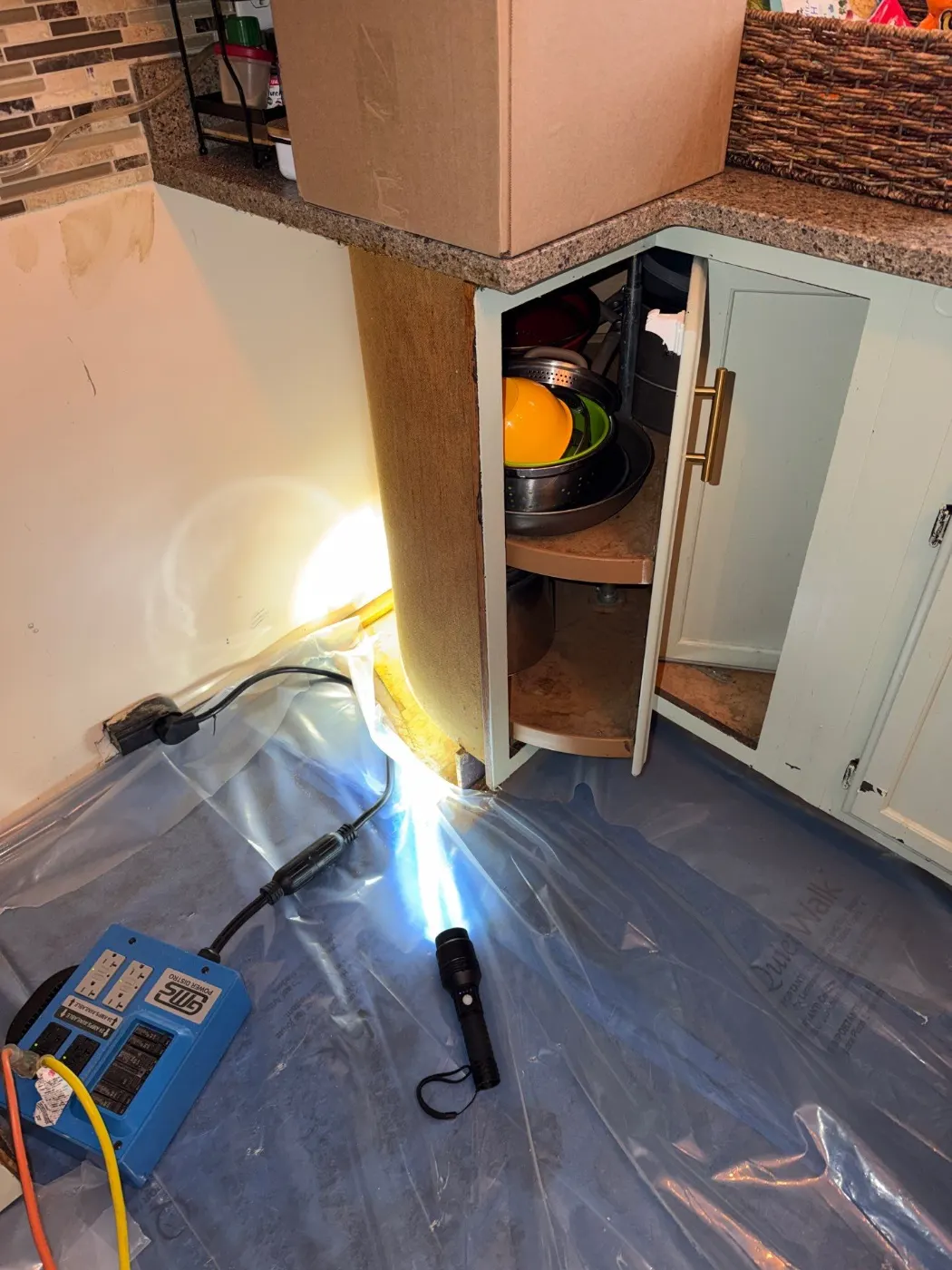
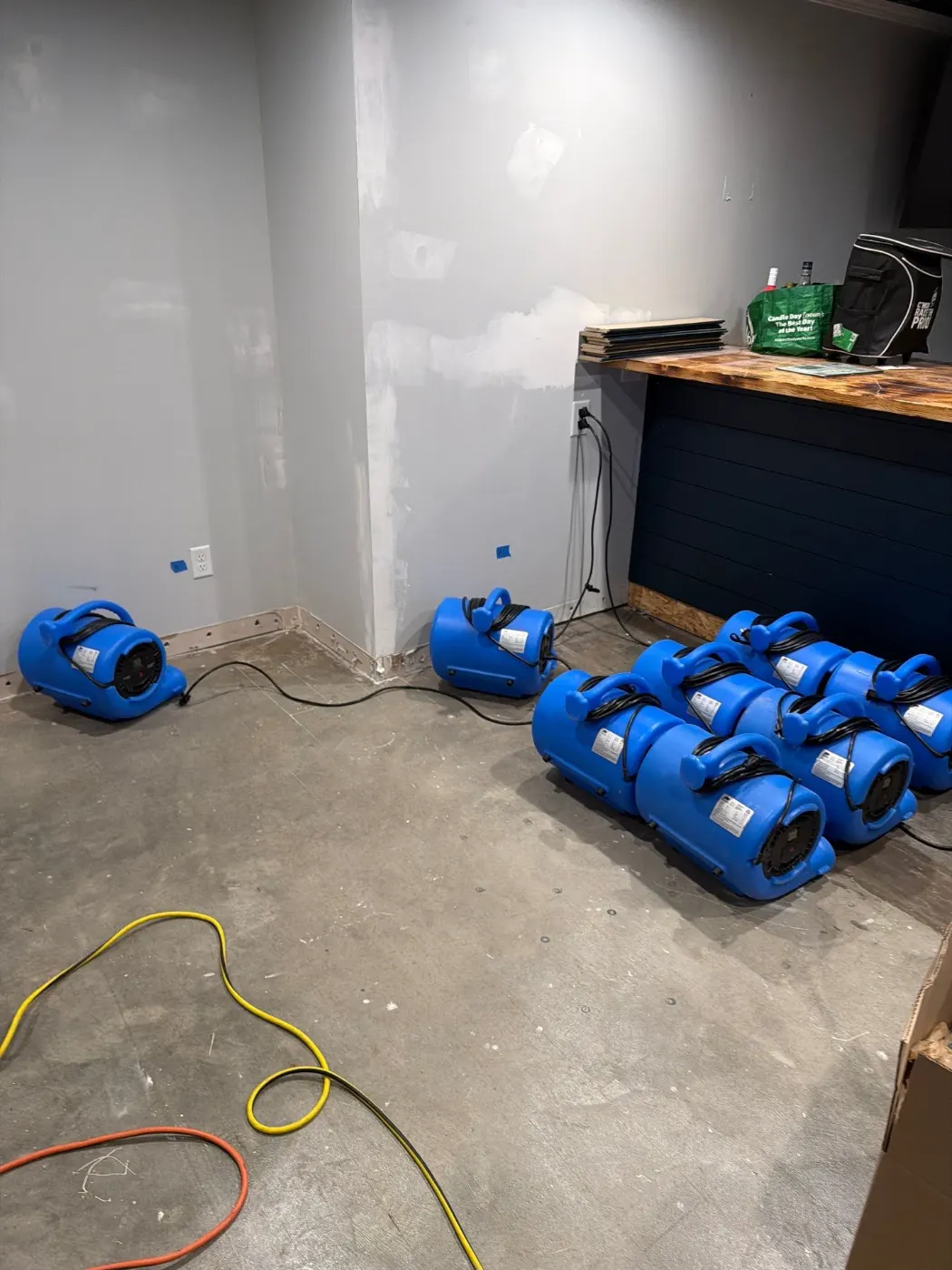
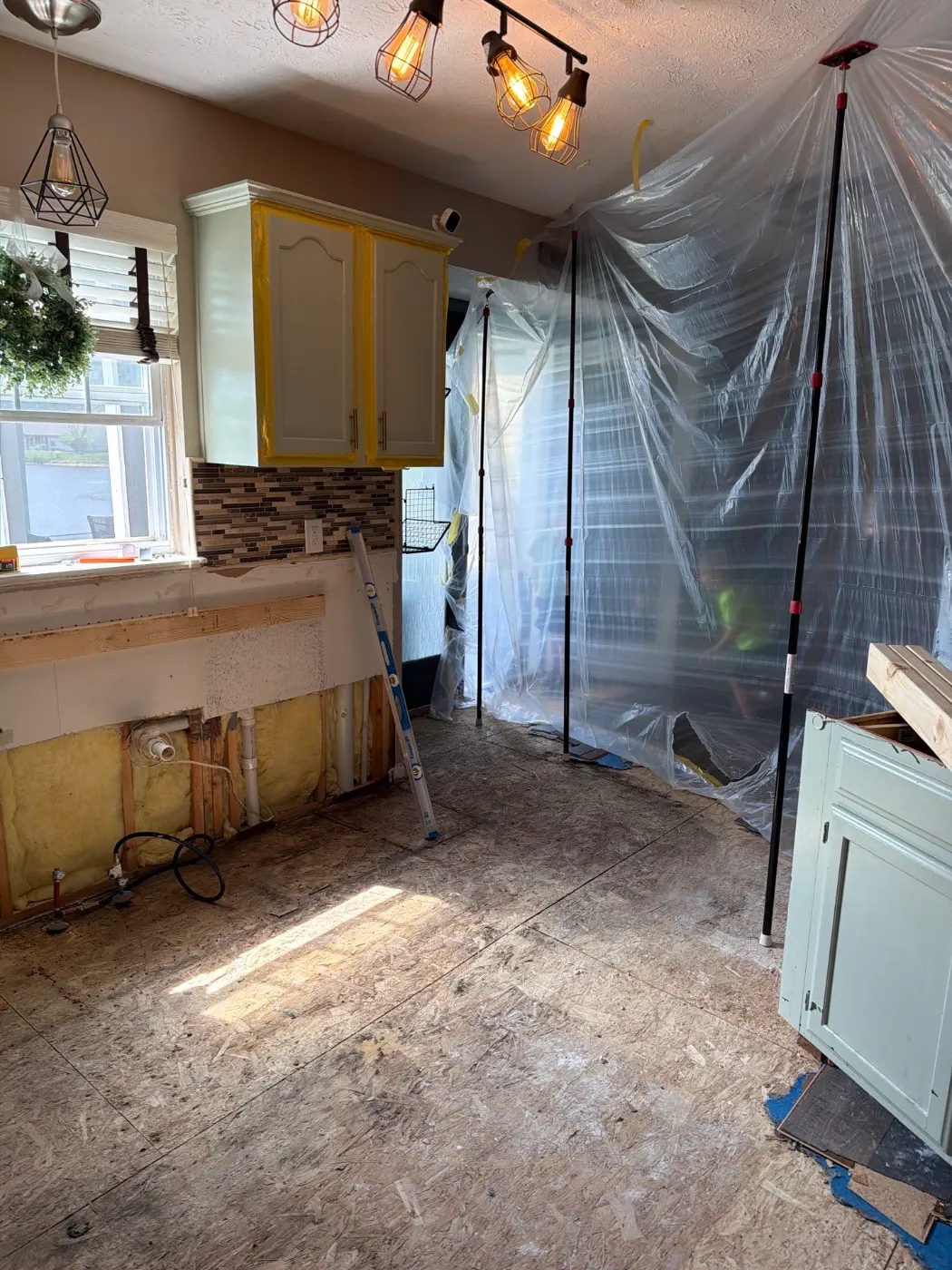
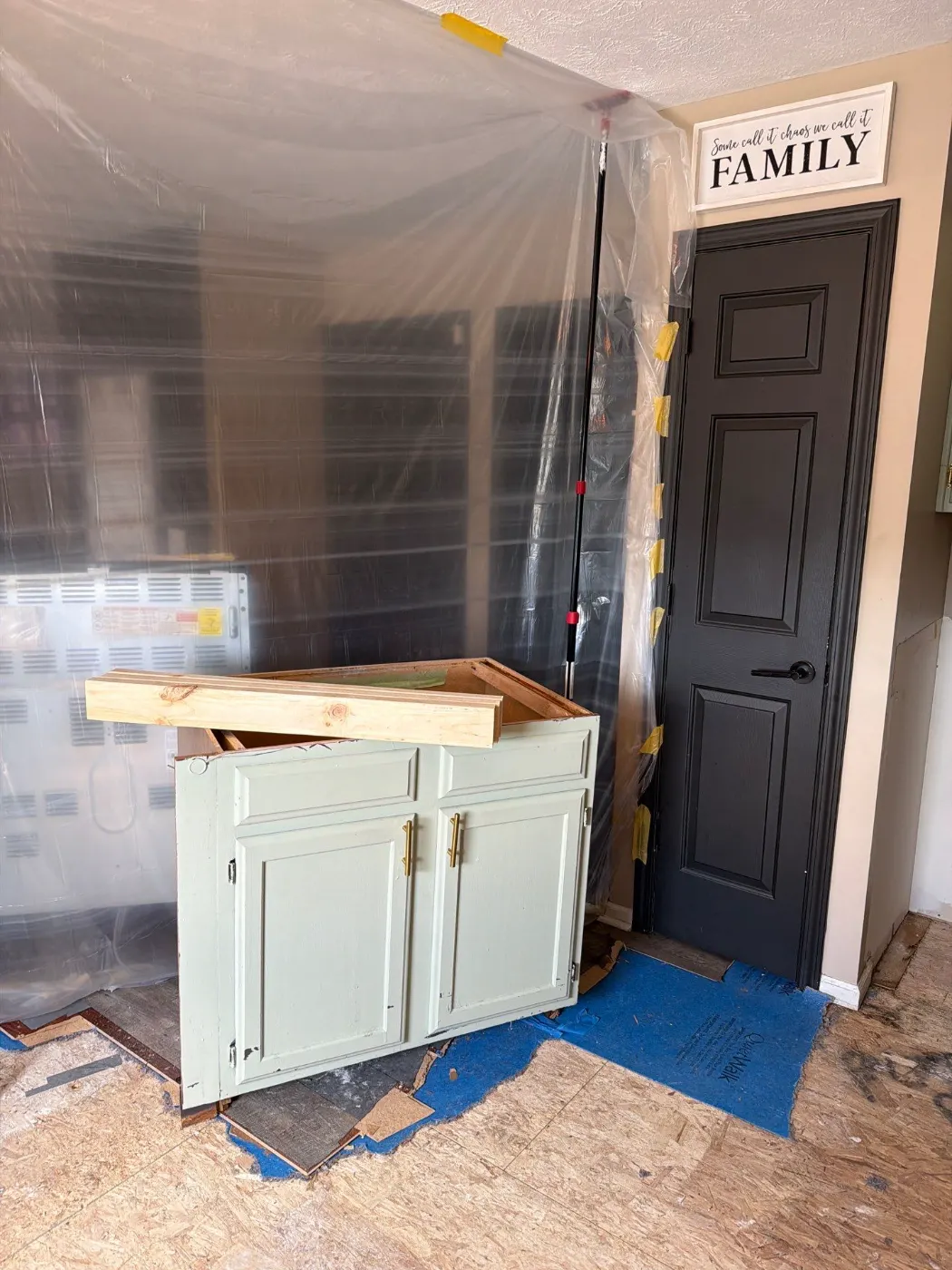
Photographs from real commercial flood damage cleanup jobs completed by our crew in Station Hill and surrounding areas.
Commercial Flood Damage Cleanup FAQ
Questions Station Hill property managers ask us about commercial flood damage cleanup.
Guidance and Standards for Commercial Flood Damage Cleanup
- The ANSI/IICRC S500 is the published standard for professional water damage restoration. The current edition is the Fifth Edition, 2021. IICRC S500 Standard
- EPA advises drying water damaged areas and items within 24 to 48 hours to prevent mold growth. EPA: A Brief Guide to Mold, Moisture and Your Home
Station Hill Neighborhoods We Serve
We take commercial flood damage cleanup calls in every part of Station Hill. Pick your neighborhood for local details.
Other Restoration Services in Station Hill
Station Hill Water Restoration handles the full scope of restoration work. Explore our other services below.
Water Damage Restoration in Station Hill
24/7 emergency response. IICRC certified water restoration from extraction to full dry out.
Learn more →Basement Flooding in Station Hill
Basement water emergencies handled fast. Extraction, drying, mold prevention.
Learn more →Sewage Cleanup in Station Hill
Category 3 biohazard cleanup. Full containment, decontamination, structural restoration.
Learn more →Request Commercial Flood Damage Cleanup
Reach Us Directly
Our team is available 24/7 for emergencies and ready to schedule inspections during business hours.
Need Immediate Help?
For active water or mold emergencies, call us directly. We are available 24/7.