Commercial Water Restoration in Station Hill, IN
Commercial water loss response across Station Hill with a crew dispatched within 2 hours, day or night.
Commercial Water Restoration in Station Hill, IN starts with one call to Station Hill Water Restoration: live 24/7 dispatch, IICRC certified response, and honest written scopes before work begins. Call (765) 676-3491.
- Service: Commercial Water Restoration for Station Hill homeowners
- Service area: Station Hill, IN and surrounding areas
- Response time: Around the clock dispatch; Station Hill emergencies move to the front of the line
- Licensed and insured (License #RC21100059)
- Serving Station Hill, IN since 2018
Commercial Water Damage Restoration in Station Hill
We extract water and dry commercial buildings across Station Hill, and we're available around the clock.
Site Conditions
Properties near White Lick Creek carry added flood risk in heavy rain. Your building's own drains and roof get checked on the first walkthrough with whoever manages the property.
We cover commercial properties across Station Hill, including the area around the Avon Station shopping area. We also handle commercial water losses in Woodcreek Crossing.
Commercial Water Restoration for Station Hill Businesses
The call came in from monitoring at an hour when the building is empty, and somebody has to decide whether this waits until morning. Water that runs all night does more damage than water caught in the first hour, and the drying scope grows with it. Station Hill Water Restoration answers commercial water emergencies in Station Hill around the clock and dispatches a crew within 2 hours, so that decision doesn't have to wait for business hours.
Each reading goes into the log the day it's taken, with the time and the meter used beside it. Notes written from memory a week later carry less weight with a reviewer, so Station Hill Water Restoration keeps the log current on every Station Hill job and shares it with your office as the work goes.
Carpet tile that releases cleanly can be saved. Station Hill Water Restoration crews number each tile by position on a sketch before lifting, stage the tiles on dry racks, dry the slab, and set everything back in the same pattern so dye lots and directions line up. Tiles with a failed backing or contaminated water exposure get discarded and replaced from spare stock.
Original image files carry the date and time each photograph was taken, and screenshots or compressed copies lose that information. Keep the originals from your own phones, since they're what a reviewer will want. Station Hill Water Restoration keeps the full size files from your Station Hill property in the job records, so a reviewer can sort every photograph by the time it was taken.
Get the walkthrough before you commit to anything. Station Hill Water Restoration assesses commercial water damage in Station Hill, puts the affected area on a moisture map, and walks you through what the readings show. Crews can start extraction on that same visit when the water is still active.
Signs You Need Commercial Water Restoration
If you notice any of these in your Station Hill building, schedule a free inspection before the issue worsens.
Paint bubbling or peeling on a corridor wall just above the cove base
The tenant below reporting drips from light fixtures or air diffusers in their suite
Carpet in the sanctuary or fellowship hall squishing underfoot after a weekend storm
Water running down stairwell treads or collecting on a landing below an upper floor
Brown stains forming on ceiling tiles beneath a roof drain location after a storm
Carpet tile edges curling or lifting where the adhesive underneath has released
Water bills for the property climbing with no change in occupancy or use
Drips from a ceiling mounted fan coil unit or a variable air volume box
Rust staining at the base of steel studs, shelving uprights or racking posts
A pipe split in an unheated vestibule or loading dock after a cold snap
How Station Hill Water Restoration Handles Commercial Water Restoration
We follow these steps in order on every Station Hill job.
Source Shutoff and Water Category
The engineer or the trade that owns the failed line closes it off, and the crew photographs the failure point and notes what kind of water came out of it. That category call sets how each wet material gets handled.
Power and Panel Check
Before equipment goes in, your electrician deenergizes circuits that serve wet areas, and the crew checks outlets and floor boxes for moisture. Drying equipment then runs on protected circuits with the load spread across panels.
Contents and Furniture Protection
Furniture and fixtures get labeled by room and photographed in place, then blocked up or moved to dry staging in the order the zones open. The inventory travels with the job file alongside the readings.
Selective Removal
Material comes out of your Station Hill building where the meters and the water category support it, and stays where it can dry in place. Each cut is photographed and logged by location, and the list is reviewed with you in writing.
Daily Monitoring and Reporting
A technician reads the same locations every 24 hours, logs them against unaffected baseline readings taken elsewhere in the building, and repositions equipment as the wet zones shrink. The day's numbers go to your management office.
Commercial Water Restoration in Station Hill
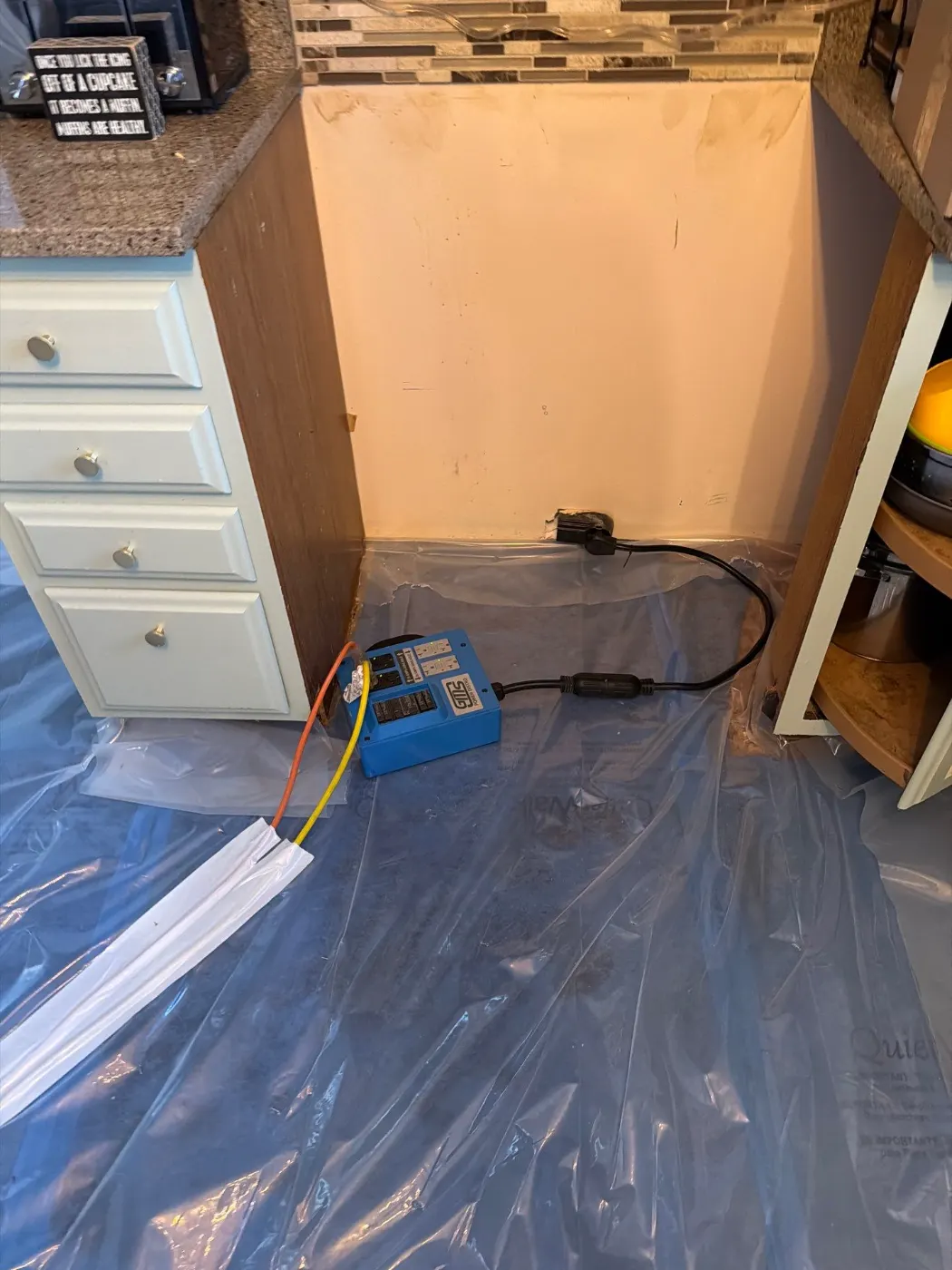
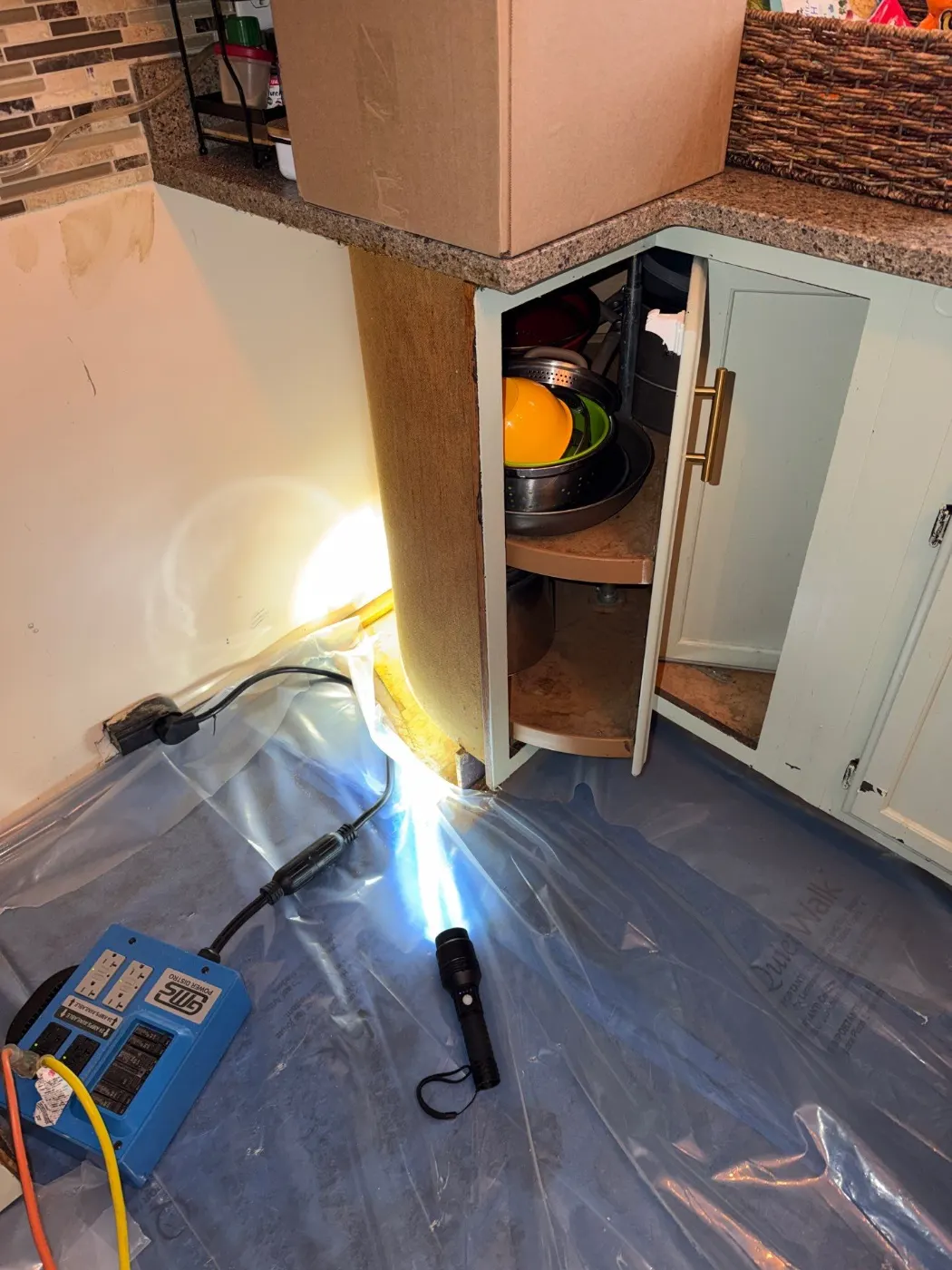
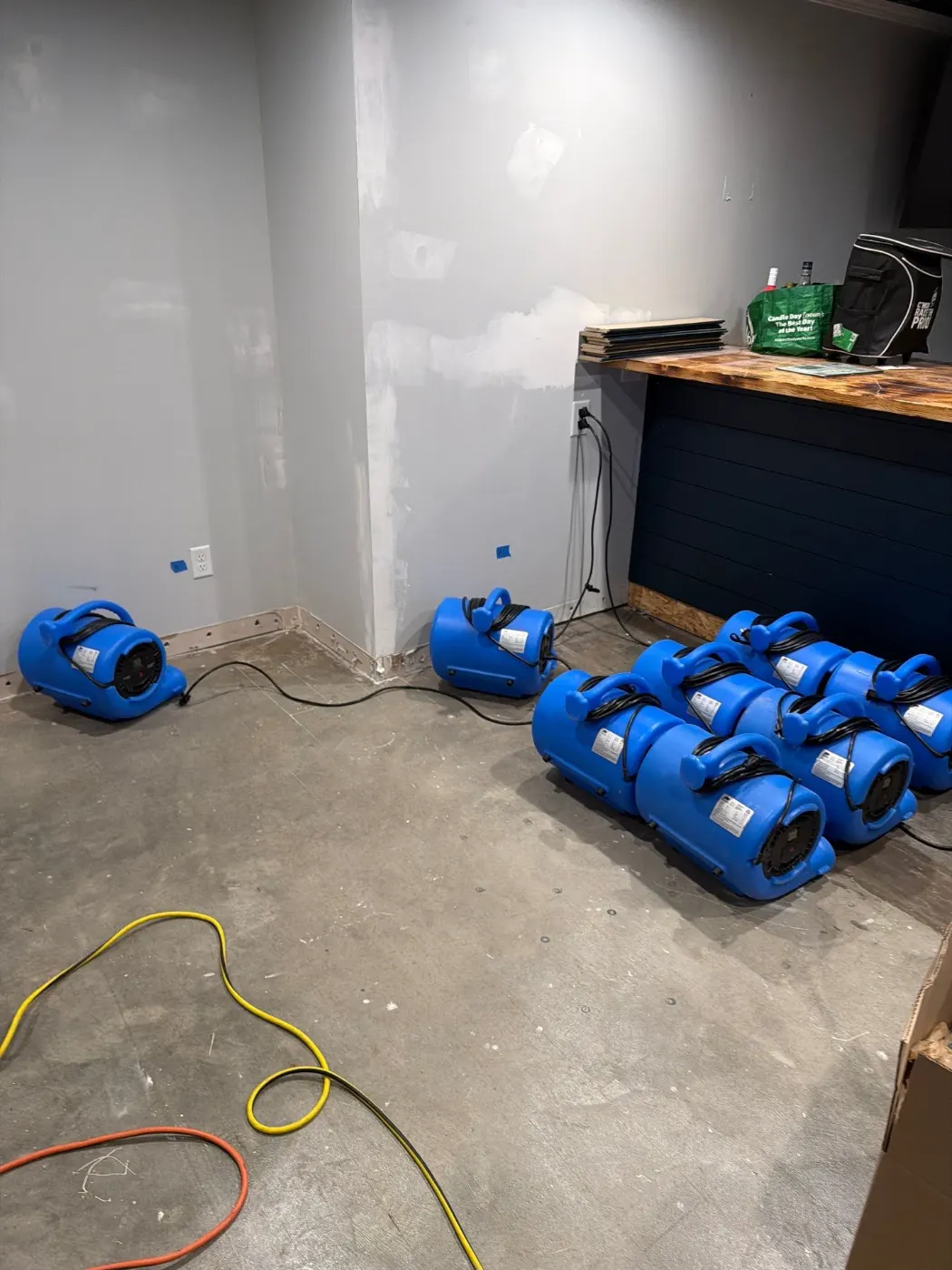
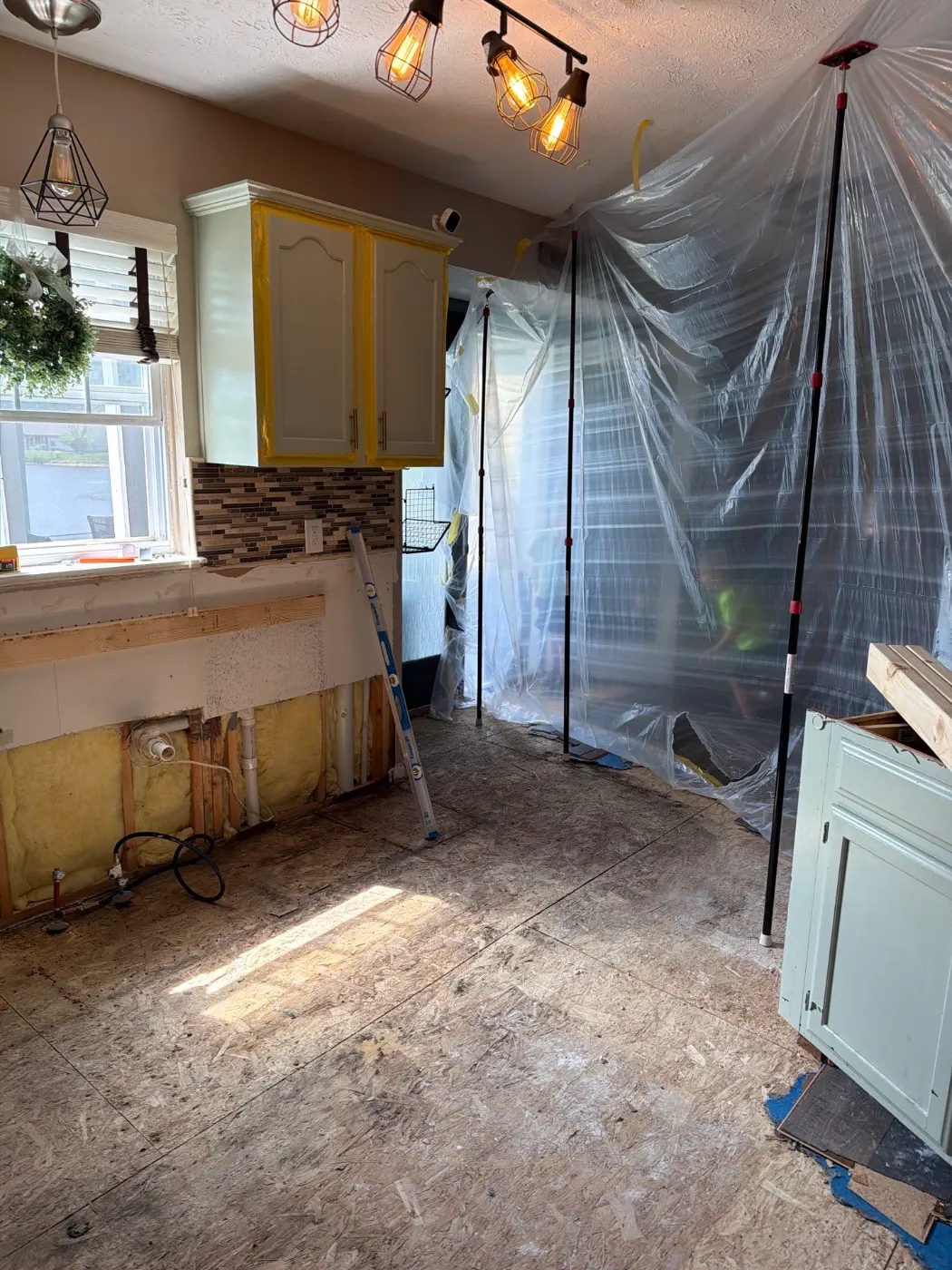
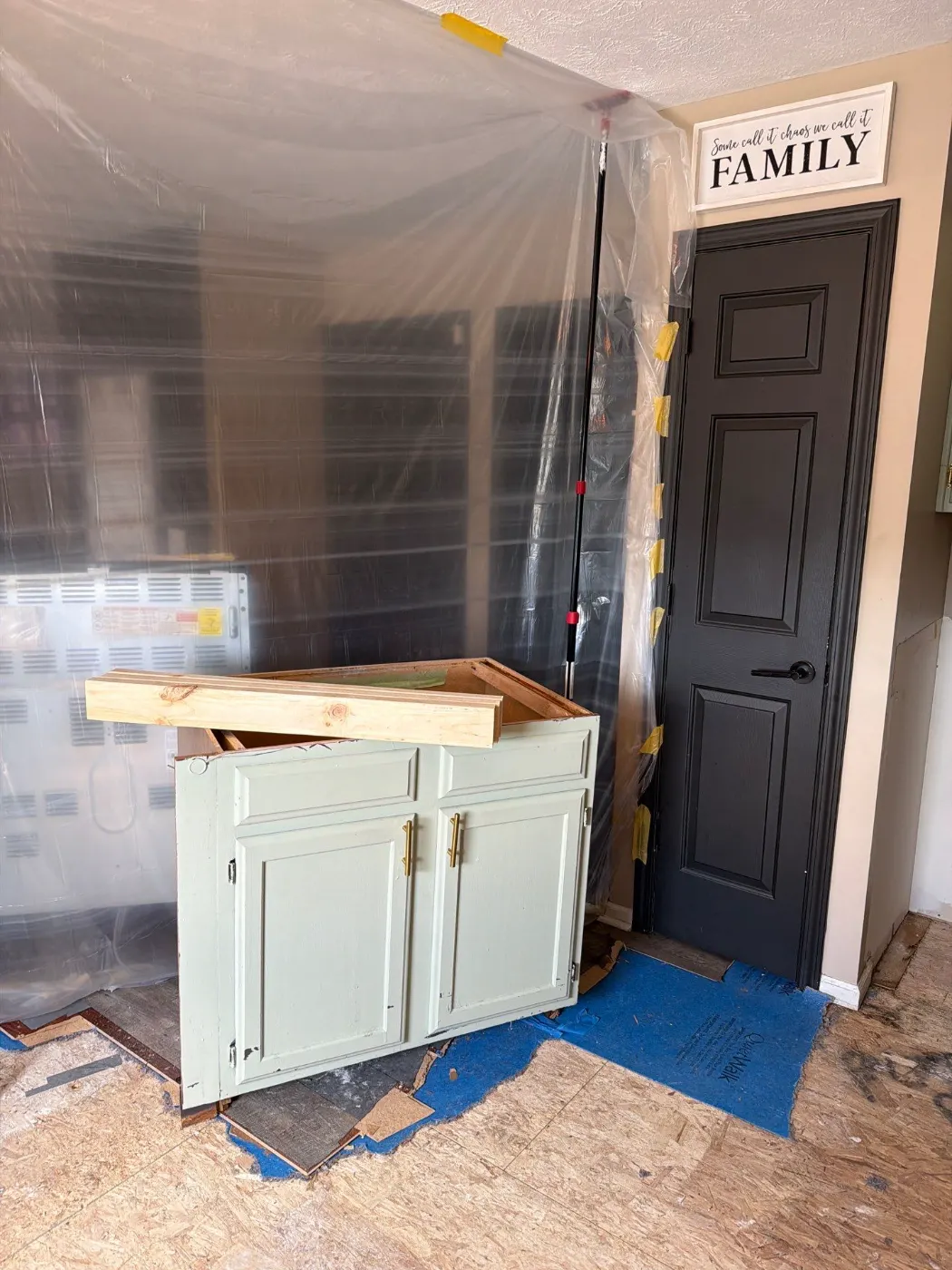
Photographs from real commercial water restoration jobs completed by our crew in Station Hill and surrounding areas.
Commercial Water Restoration FAQ
Questions Station Hill property managers ask us about commercial water restoration.
Guidance and Standards for Commercial Water Restoration
- The ANSI/IICRC S500 is the published standard for professional water damage restoration. The current edition is the Fifth Edition, 2021. IICRC S500 Standard
- EPA advises drying water damaged areas and items within 24 to 48 hours to prevent mold growth. EPA: A Brief Guide to Mold, Moisture and Your Home
Station Hill Neighborhoods We Serve
We take commercial water restoration calls in every part of Station Hill. Pick your neighborhood for local details.
Other Restoration Services in Station Hill
Station Hill Water Restoration handles the full scope of restoration work. Explore our other services below.
Water Damage Restoration in Station Hill
24/7 emergency response. IICRC certified water restoration from extraction to full dry out.
Learn more →Basement Flooding in Station Hill
Basement water emergencies handled fast. Extraction, drying, mold prevention.
Learn more →Sewage Cleanup in Station Hill
Category 3 biohazard cleanup. Full containment, decontamination, structural restoration.
Learn more →Request Commercial Water Restoration
Reach Us Directly
Our team is available 24/7 for emergencies and ready to schedule inspections during business hours.
Need Immediate Help?
For active water or mold emergencies, call us directly. We are available 24/7.